A used dozer represents one of the most significant equipment investments a contractor can make. Whether you're clearing land, grading sites, or pushing material, a bulldozer is the workhorse that keeps projects moving. But unlike buying a new machine with warranty coverage and predictable performance, purchasing used equipment requires careful evaluation to avoid inheriting someone else's problems.
The good news is that dozers are built to last. With proper maintenance, many machines deliver 15,000 to 20,000 hours of productive work—or more. The challenge lies in determining whether the specific unit you're considering has been properly cared for or run hard and neglected. This guide walks you through the essential inspection points that separate a smart purchase from an expensive mistake.
Start with Documentation and Machine History
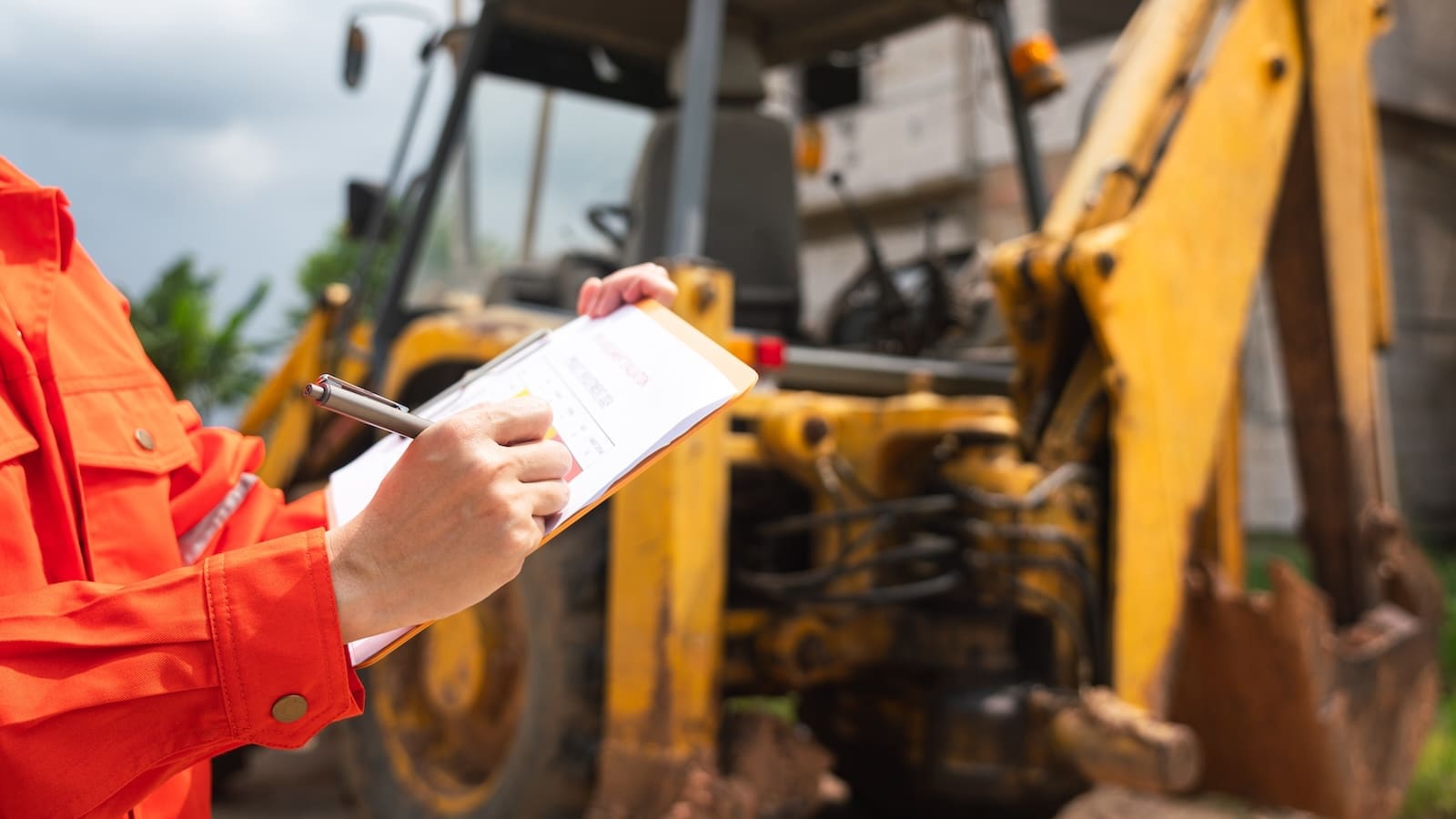
Before you even look at the iron, gather as much information as possible about the machine's past. A complete service history tells you more about a dozer's condition than any single inspection point.
Service Records and Maintenance Logs
Ask the seller for all available maintenance records. Ideally, you want to see documented oil changes, filter replacements, undercarriage adjustments, and any major repairs. Machines with consistent dealer service records typically command higher prices—and for good reason. They're generally more reliable.
Pay attention to the intervals between services. A dozer that received oil changes every 250-500 hours (depending on manufacturer recommendations) was likely well-maintained overall. Large gaps in service history should raise questions.
Hour Meter Verification
The hour meter is crucial for assessing remaining life, but it can be tampered with or replaced. Look for signs that the meter doesn't match the machine's apparent wear. A dozer showing 3,000 hours but with heavily worn controls, a faded seat, and significant track wear may have considerably more actual hours.
Cross-reference the hours with any available telematics data or dealer service records. Many modern dozers from the mid-2000s onward have electronic monitoring systems that track hours independently of the dash display.
Ownership History
Understanding how a dozer was used matters as much as how many hours it has. A machine that spent its life doing finish grading on residential lots experienced far less stress than one pushing stumps and rocks on land-clearing jobs. Ask about the previous applications and, if possible, the working conditions (dusty environments, wet conditions, extreme temperatures).
If you're uncertain about a machine's value based on its history and condition, use our free heavy equipment valuation tool to get a realistic price range before negotiating.
Undercarriage: The Most Expensive Component
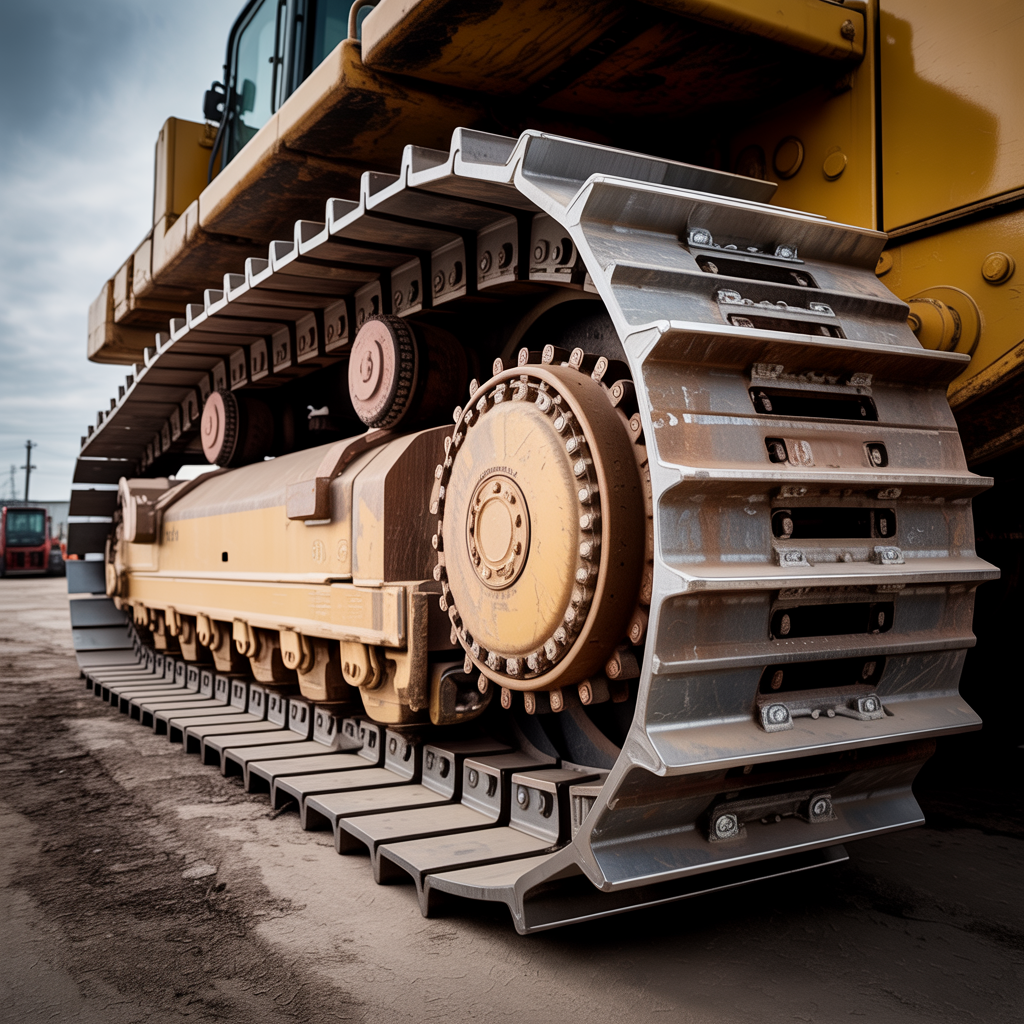
The undercarriage typically accounts for 40-60% of a dozer's total maintenance costs over its lifetime. A worn undercarriage on a used machine can easily cost $20,000 to $50,000 or more to rebuild, depending on the size class. This single system deserves more attention than any other during your inspection.
Track Condition and Wear
Examine the tracks carefully for wear patterns. Look at the grouser height—the raised bars that provide traction. New grousers typically measure 2-3 inches tall depending on the machine size. Grousers worn below 50% indicate significant use and approaching replacement.
Check for cracked, broken, or missing track shoes. While individual shoes can be replaced, widespread damage suggests abuse or extremely hard use. Also look for cupping or uneven wear patterns that indicate alignment issues or improper tensioning.
Track Links, Bushings, and Pins
The track chain assembly wears from the inside out. Bushings rotate against pins with every revolution, and this internal wear isn't always visible externally. However, you can measure chain stretch—the accumulated wear that causes the track to lengthen.
A qualified technician can measure pin and bushing wear using specialized gauges. If the seller won't allow a professional undercarriage inspection, consider that a red flag. Internal wear beyond 70-80% typically means a turn-and-rebuild or full replacement is imminent.
Rollers, Idlers, and Sprockets
Walk around the machine and visually inspect all the rollers (both track rollers and carrier rollers). Look for oil leaks around the seals, which indicate internal wear and imminent failure. Spin the rollers by hand if possible—they should rotate smoothly without grinding or excessive play.
Check the front idlers for wear on the contact surfaces and proper seal condition. The rear sprockets drive the tracks and wear in a distinctive pattern. Hooked or shark-finned sprocket teeth indicate significant wear and mismatched components.
Track Tension and Adjustment
Proper track tension is critical for undercarriage longevity. Tracks that are too tight accelerate wear on all components; tracks that are too loose can derail and cause damage. Check the track sag—typically measured at the midpoint between the front idler and first track roller. Manufacturer specifications vary, but 1-2 inches of sag is common for most applications.
Also verify that adjustment capacity remains. If the track adjusters are already at their maximum extension, there's no room left to compensate for future chain stretch.
Engine and Powertrain Inspection
The engine is the heart of any dozer, and diesel engines in heavy equipment are designed for longevity. However, neglect, overheating events, or contamination can significantly shorten engine life.
Cold Start Observation
Whenever possible, inspect the dozer before the seller has started it that day. A cold start reveals issues that disappear once the engine warms up. Excessive smoke on startup, hard starting, or unusual knocking sounds all warrant further investigation.
Blue smoke indicates oil burning—potentially worn rings or valve seals. White smoke can signal coolant entering the combustion chamber, often from a head gasket issue. Black smoke during acceleration is normal for older mechanical diesels but should clear quickly; persistent black smoke suggests fuel system problems or air restriction.
Fluid Analysis
Oil analysis is one of the most valuable diagnostic tools available. A sample sent to a lab can reveal internal wear metals, coolant contamination, fuel dilution, and other issues invisible to the naked eye. If the seller has recent oil analysis reports, review them carefully. If not, consider making your purchase contingent on satisfactory analysis results.
Check all fluid levels and conditions visually. Engine oil should be at the proper level and relatively clean (accounting for hours since the last change). Coolant should be the correct color for the antifreeze type, with no oil contamination or rust particles. Hydraulic fluid should be clear, not milky (water contamination) or dark (overheating or breakdown).
Transmission and Final Drives
Dozer transmissions, whether hydrostatic or powershift, are expensive to rebuild. Operate the machine through all speed ranges and directions. Shifts should be smooth without harsh engagement or slipping. Listen for whining or grinding that could indicate gear or bearing wear.
Final drives transfer power from the transmission to the sprockets. Check for leaks around the seals and listen for unusual noise during operation. Final drive rebuilds commonly run several thousand dollars per side.
Hydraulic System Evaluation
The hydraulic system powers the blade, ripper (if equipped), and steering on hydrostatic machines. Problems here can be expensive and affect the dozer's core functionality.
Cylinder Condition
Inspect all hydraulic cylinders for leaks, scoring on the chrome rods, and proper operation. Extend and retract each cylinder fully while watching for jerky movement or drift. A cylinder that won't hold position under load has internal seal failure.
Look at the cylinder rod surfaces carefully. Pitting, scoring, or rust damage the seals and cause progressive leakage. Minor surface imperfections can sometimes be polished out, but deep damage requires rod replacement or cylinder rebuilding.
Hoses, Lines, and Fittings
Hydraulic hoses deteriorate over time, especially in the harsh environment around a dozer. Look for cracking, bulging, abrasion, or seepage at fittings. While hose replacement is relatively inexpensive, it indicates the overall age and condition of the hydraulic system.
Check hard lines for damage, corrosion, or evidence of previous repairs. Trace the lines looking for kinks or crushing that could restrict flow.
Pump and Valve Performance
Hydraulic pumps wear internally, reducing efficiency and power. While a full pump test requires specialized equipment, you can evaluate performance by operating all functions simultaneously under load. Sluggish response or inability to perform multiple functions at once may indicate pump wear.
Cycle the blade and ripper through their full range of motion multiple times. Controls should respond promptly and proportionally. Spongy or delayed response often points to air in the system, worn valves, or pump issues.
Frame and Structural Integrity
The mainframe of a dozer experiences tremendous stress during operation. Cracks or damage here can be extremely expensive to repair—sometimes making the machine uneconomical to fix.
Crack Inspection
Carefully examine the mainframe, especially around high-stress areas: the blade push arm mounts, ripper mounts, track frame connections, and anywhere structural members join. Use a flashlight and look closely at welds and corners where cracks commonly originate.
Pay special attention to any areas that appear to have been repaired. Previous crack repairs aren't necessarily disqualifying, but they indicate the machine experienced significant stress and may be prone to future issues in the same areas.
Track Frame Alignment
Stand behind the dozer and sight down each track frame. They should be parallel and level. Bent or twisted track frames cause accelerated undercarriage wear and tracking problems. This type of damage typically results from severe impacts or rollovers and is very expensive to correct.
Blade and Ripper Condition
Inspect the blade for excessive wear, cracks, or damage. Cutting edges and end bits are wear items and relatively inexpensive to replace. However, a blade worn through to the moldboard or with structural cracks needs more significant repair.
If the dozer has a ripper, check the shank mounting points for cracks and wear. Examine the ripper tips—they're consumables, but the shanks and mounting hardware should be in good condition.
Operator Station and Controls
The condition of the cab and controls often reflects how the machine was treated overall. A dozer with a well-maintained operator station was likely cared for in other ways too.
Control Responsiveness
Operate all controls and verify they respond correctly. Joysticks and levers should move smoothly without excessive play or binding. On machines with electronic controls, all functions should respond proportionally to input.
Test the steering through full turns in both directions. The machine should track straight when controls are centered and turn predictably when commanded.
Instrumentation and Electronics
Verify all gauges and warning lights function properly. Start the machine and confirm that warning lights illuminate during the self-test, then extinguish. Non-functional gauges might mask developing problems.
On newer dozers with electronic displays and GPS-ready systems, test all functions. Aftermarket electronics repairs can be expensive, and some features may be difficult to restore if components have been removed or damaged.
HVAC and Comfort Features
Air conditioning and heating may seem like luxuries, but operator comfort affects productivity. Test the HVAC system—A/C compressor failures are common and moderately expensive to repair. Check that all cab seals are intact; a leaky cab lets in dust and noise that wear down operators over long shifts.
Comparing Brands and Models
Different manufacturers have distinct strengths and design philosophies. If you're still deciding between brands, our comparison of John Deere vs Komatsu dozers provides detailed insights into how these popular brands stack up in the 200-class segment.
When evaluating any used dozer, research common issues for that specific model and production year. Online forums, dealer service bulletins, and conversations with technicians who work on that brand regularly can reveal known problem areas to check carefully.
The Test Operation
Never buy a dozer without operating it yourself or having a qualified operator run it through its paces. A thorough test operation reveals issues that static inspection misses.
What to Check During Operation
Run the machine for at least 30 minutes to bring it to full operating temperature. Monitor gauges for proper readings—coolant temperature, hydraulic temperature, and oil pressure should all stabilize within normal ranges.
Perform actual dozing work if possible. Push a pile of material and note how the machine responds under load. Does it maintain power? Do the tracks slip? Does the blade drift? Load reveals weaknesses that idling hides.
Listen throughout the test for any unusual sounds: grinding, whining, knocking, or squealing. These often indicate developing problems that will worsen with continued use.
Getting a Professional Inspection
For any significant purchase, consider hiring an independent technician or inspection service to evaluate the machine. The cost—typically a few hundred dollars—is insignificant compared to the potential expense of buying a problem machine.
A professional inspector brings specialized tools and experience. They can measure undercarriage wear precisely, interpret oil analysis results, and identify issues that casual inspection might miss. Many dealers offer pre-purchase inspections, or you can hire independent heavy equipment mechanics.
If you're comparing multiple machines, browse our dozer listings to see what's currently available and compare specifications, hours, and asking prices across different makes and models.
Negotiating Based on Condition
Your inspection findings provide leverage for negotiation. Document everything you find—photos, measurements, and notes—and use this information when discussing price.
Undercarriage wear is particularly useful for negotiation because replacement costs are well-established. If the tracks, rollers, and sprockets need replacement within the next 1,000 hours, that's a quantifiable future expense that should be reflected in the purchase price.
Similarly, needed repairs or deferred maintenance items have real costs. Get quotes for any significant work required and factor these into your offer.
Ready to Find Your Next Dozer?
Buying a used dozer requires diligence, but the payoff is significant savings compared to new equipment—often 40-60% or more depending on age and condition. By thoroughly inspecting the undercarriage, engine, hydraulics, and frame, you can identify machines that offer years of productive service at a fraction of new cost.
Whether you're looking to buy your next bulldozer or have equipment to sell, EquipMarket connects contractors and dealers across the United States. Browse our current equipment listings to find dozers, excavators, loaders, and more from sellers nationwide. Ready to sell? List your equipment on EquipMarket and reach serious buyers actively searching for machines like yours.