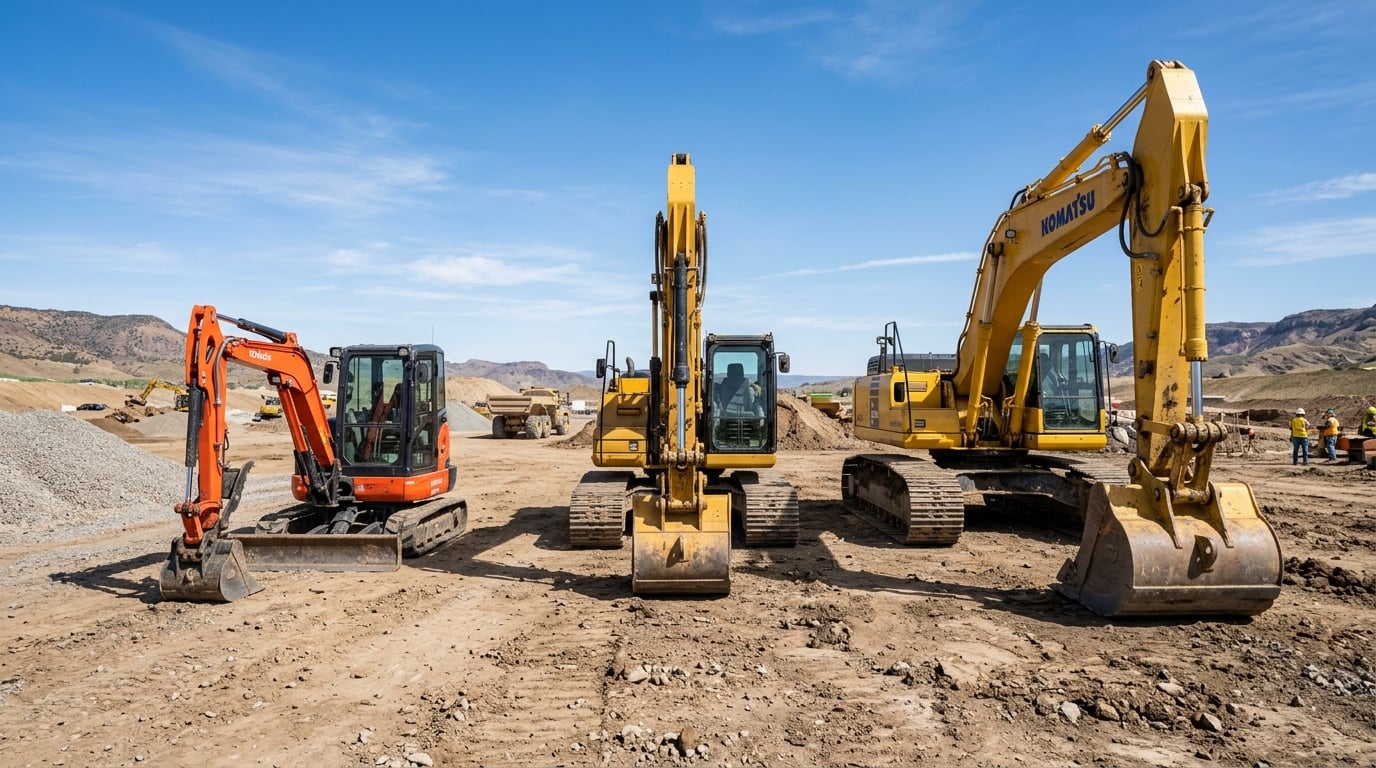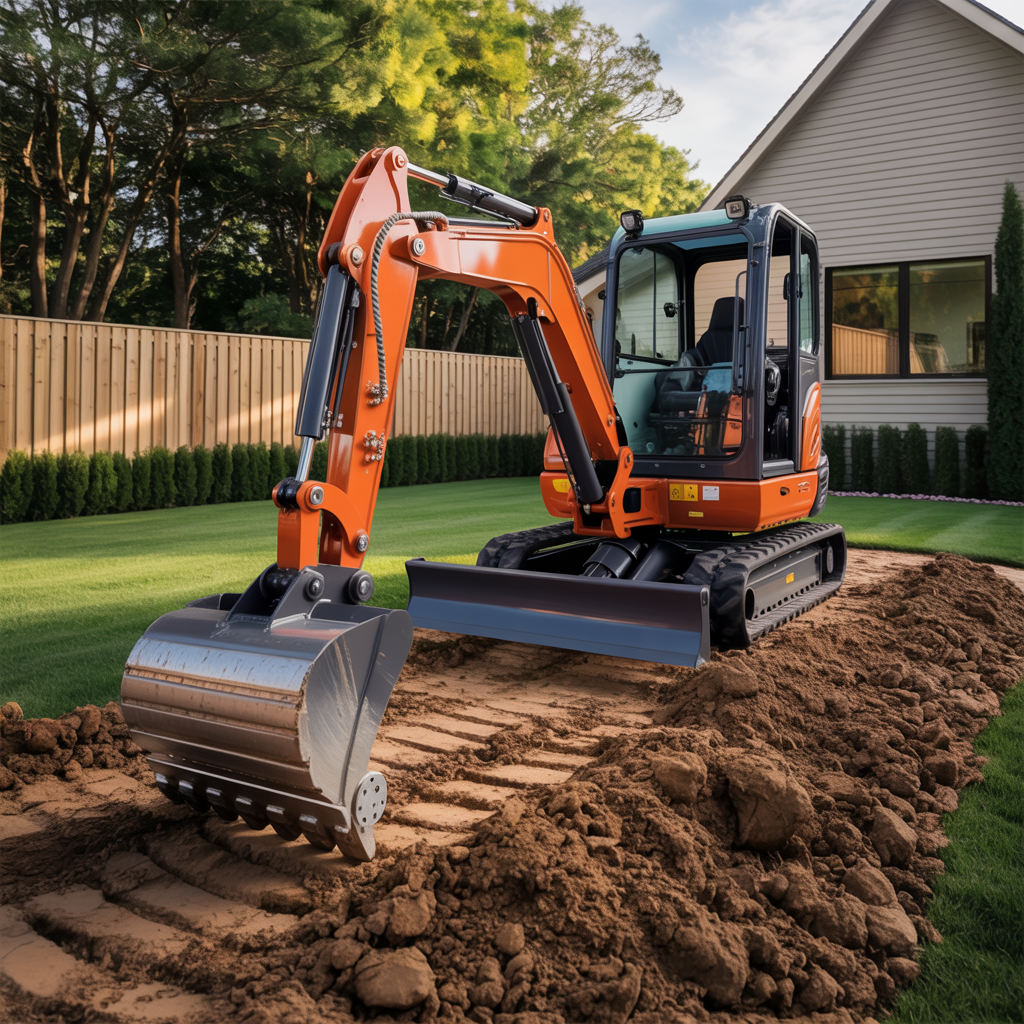
Mini excavators have become indispensable on job sites across the country. From residential landscaping and utility installation to foundation work and small demolition projects, these compact machines deliver impressive digging power in a maneuverable package. For contractors looking to add capability without the investment of a full-size excavator, buying used makes excellent financial sense—but only if you know what to look for.
Unlike larger excavators where engine hours and undercarriage wear dominate the conversation, mini excavators present their own unique set of considerations. Their compact size means tighter tolerances, different stress points, and specific maintenance requirements that savvy buyers need to understand. This guide walks you through everything you need to know before purchasing a used mini excavator, from selecting the right size class to negotiating the best deal.
Understanding Mini Excavator Size Classes
Mini excavators, also called compact excavators, typically range from about 1 ton to 10 tons operating weight. The industry generally breaks these down into several categories:
Micro excavators (under 2 tons): These ultra-compact machines fit through standard doorways and gates, making them ideal for indoor demolition, backyard projects, and tight urban spaces. Popular models include the Kubota K008, Bobcat E10, and CAT 300.9D.
Small mini excavators (2-4 tons): This is the sweet spot for many contractors. Machines in this range offer enough power for serious digging while maintaining excellent transportability. They typically fit on standard trailers and don't require special permits for transport.
Mid-size mini excavators (4-6 tons): These units bridge the gap between compact convenience and serious production capability. They're commonly used for utility work, swimming pool excavation, and light commercial projects.
Large mini excavators (6-10 tons): At the upper end of the compact range, these machines approach the capability of small standard excavators while retaining reduced tail swing and compact dimensions. For a deeper dive into matching excavator size to your specific applications, check out our excavator sizing guide.
Top Mini Excavator Brands to Consider
The used mini excavator market features strong offerings from multiple manufacturers. Each brand brings distinct advantages worth considering based on your priorities.
Kubota
Kubota dominates the mini excavator segment, particularly in smaller size classes. Their KX and U series machines are known for reliable diesel engines, smooth hydraulics, and strong resale values. Kubota's dealer network is extensive, making parts readily available across the country. The brand's reputation for durability means well-maintained units often command premium prices on the used market. For detailed model information, see our Kubota mini excavator models guide.
Bobcat
Bobcat's E-series excavators are popular among contractors who already run Bobcat skid steers and appreciate the brand's consistent control layout and dealer support. Their compact tail swing designs excel in confined spaces, and the brand offers strong attachment compatibility. Learn more about the full Bobcat lineup in our Bobcat equipment models guide.
Caterpillar
CAT's mini excavator line provides the build quality and dealer support the brand is known for. Their machines typically feature robust hydraulic systems and comfortable operator stations. While CAT units often carry higher price tags—both new and used—many contractors find the investment worthwhile for demanding applications.
John Deere
Deere's compact excavators appeal to contractors already invested in the John Deere ecosystem. Their G-series machines offer solid performance and the backing of Deere's extensive dealer network, particularly valuable in agricultural regions.
Takeuchi
Often overlooked by casual buyers, Takeuchi manufactures high-quality mini excavators that compete directly with premium brands. Their TB series machines are known for powerful hydraulics and durability, often available at more competitive prices than comparable Kubota or CAT units.
Yanmar
Yanmar supplies engines to many competing brands and builds their own line of mini excavators. Their ViO series features true zero tail swing designs and the reliability of Yanmar's proven diesel technology.
Key Features That Affect Value and Productivity
When evaluating used mini excavators, certain features significantly impact both the machine's usefulness and its market value.
Tail Swing Configuration
Mini excavators come in three basic tail swing configurations:
Conventional tail swing: The counterweight extends beyond the track width during rotation. These machines typically offer the best lifting capacity and stability but require more operating space.
Reduced tail swing: The counterweight extends only slightly beyond the tracks, offering a compromise between stability and compact operation.
Zero tail swing (ZTS): The entire upper structure stays within the track width during full rotation. These machines excel in tight spaces but may sacrifice some lifting capacity and stability compared to conventional designs.
For contractors working primarily in confined residential or urban environments, zero or reduced tail swing configurations command premium prices and sell quickly on the used market.
Enclosed Cab vs. ROPS Canopy
Climate-controlled enclosed cabs add significant value, particularly in regions with extreme weather. However, canopy machines cost less upfront and work fine for contractors in mild climates or those doing primarily short-duration work. Consider your typical operating conditions when weighing this feature.
Hydraulic Thumb
A hydraulic thumb transforms a mini excavator's versatility, allowing operators to grasp and manipulate materials rather than just dig. Factory-installed thumbs integrate seamlessly with the machine's hydraulics, while aftermarket installations vary in quality. Machines equipped with hydraulic thumbs typically sell faster and at higher prices.
Auxiliary Hydraulics
Auxiliary hydraulic circuits allow the use of powered attachments like hydraulic breakers, augers, and compactors. Look for machines with:
- High-flow auxiliary circuits for demanding attachments
- Proportional controls for precise attachment operation
- Quick-connect hydraulic couplers for easy attachment changes
The presence and capability of auxiliary hydraulics significantly affects a mini excavator's versatility and value.
Blade Configuration
Most mini excavators include a front blade for backfilling and grading. Look for:
Float function: Allows the blade to follow ground contours for smoother grading
Angle capability: Some blades angle left or right for more versatile material handling
Blade width: Wider blades move more material but may limit access in tight spaces
Expandable or Retractable Undercarriage
Some mini excavators feature undercarriages that expand for increased stability during digging and retract for transport through narrow openings. This feature adds complexity but provides genuine utility for contractors working in varied environments.
Common Issues in Used Mini Excavators
While every used machine requires thorough inspection, mini excavators tend to develop certain issues more frequently than their larger counterparts.
Hydraulic System Wear
Mini excavators work their hydraulic systems hard relative to their size. Watch for:
- Slow or jerky cylinder movement indicating worn pumps or valves
- Hydraulic leaks at cylinder seals, hose connections, and swivel joints
- Contaminated hydraulic fluid suggesting poor maintenance or internal component failure
- Excessive heat during operation indicating system inefficiency
Hydraulic repairs on mini excavators can be expensive relative to the machine's value, making this system particularly important to evaluate.
Swing Bearing and Motor
The swing mechanism endures constant stress as operators rotate the upper structure. Listen for grinding or clicking during rotation, and check for excessive play by attempting to rock the cab while the machine is stationary. Swing bearing replacement typically costs several thousand dollars in parts alone.
Track and Undercarriage Condition
Mini excavators commonly use rubber tracks, which wear differently than steel tracks on larger machines. Examine tracks for:
- Cracking or chunking of the rubber
- Missing or damaged track lugs
- Steel cord exposure indicating severe wear
- Proper track tension (neither too loose nor too tight)
Rubber track replacement typically costs between $1,500 and $4,000 per set depending on machine size and track quality. Some larger mini excavators use steel tracks with rubber pads—inspect these for pad wear and link condition.
Boom and Arm Cylinder Wear
Cylinder drift—where the boom or arm slowly drops when holding a load—indicates worn seals or internal cylinder damage. Test this by raising the boom with a load and holding position with controls neutral. Gradual descent indicates cylinder issues requiring repair.
Cooling System Issues
Mini excavators pack their components tightly, making cooling system efficiency critical. Check for:
- Debris accumulation in radiator and oil cooler fins
- Coolant condition and level
- Fan operation and belt condition
- Evidence of overheating (discolored paint, burnt residue)
Evaluating Machine History and Documentation
Beyond physical inspection, a machine's history tells an important story about its likely future reliability.
Maintenance Records
Comprehensive maintenance records indicate an owner who cared for their equipment. Look for documentation of:
- Regular oil and filter changes at manufacturer-recommended intervals
- Hydraulic fluid changes and filter replacements
- Coolant system service
- Greasing schedules (mini excavators have numerous grease points requiring regular attention)
- Any major repairs or component replacements
Absence of records doesn't necessarily mean poor maintenance, but it does increase risk and may justify a lower offer.
Rental Fleet History
Many used mini excavators come from rental fleets. This isn't automatically negative—rental companies typically maintain equipment well to minimize downtime. However, rental machines often accumulate hours quickly and may have been operated by inexperienced users. Evaluate rental fleet machines carefully, focusing on actual condition rather than making assumptions based on history alone.
Application History
A machine used primarily for light landscaping work will likely show different wear patterns than one used for demolition or rocky soil excavation. Understanding how a machine was used helps predict potential issues and remaining useful life.
Where to Find Used Mini Excavators
The used mini excavator market offers multiple purchasing channels, each with distinct advantages.
Dealer Inventory
Authorized dealers often carry used mini excavators taken as trade-ins or purchased at auction. Dealer machines may come with limited warranties and have undergone inspection, though prices typically reflect these advantages.
Online Marketplaces
Platforms like EquipMarket connect buyers directly with sellers across the country. Browse current excavator listings to compare available inventory, pricing, and specifications. Online marketplaces often offer the widest selection and most competitive pricing, though buyers should plan for inspection trips or arrange third-party inspections.
Auctions
Equipment auctions can yield excellent deals, particularly for buyers who've done their homework and know exactly what they're looking for. However, auction purchases typically offer no warranties and limited inspection opportunities. This channel works best for experienced buyers comfortable assessing equipment quickly.
Private Sales
Buying directly from contractors or small businesses can offer good value, particularly when sellers are motivated by equipment upgrades or business changes. Private sales require more due diligence but eliminate dealer markups.
Financing Your Mini Excavator Purchase
Used mini excavators typically qualify for equipment financing, though terms vary based on machine age, condition, and the buyer's credit profile.
Traditional Equipment Loans
Banks and equipment finance companies offer secured loans using the excavator as collateral. Interest rates for used equipment typically run slightly higher than new equipment financing, with terms commonly ranging from 36 to 72 months depending on the machine's age.
Equipment Leases
Leasing preserves capital and may offer tax advantages for some businesses. Operating leases and capital leases each have different accounting and tax implications—consult with your accountant to determine the best structure for your situation.
Dealer Financing
Many dealers offer in-house financing or relationships with preferred lenders. While convenient, compare dealer financing terms against independent options to ensure competitive rates.
Negotiating the Purchase
Armed with knowledge about the specific machine and current market conditions, you're positioned to negotiate effectively.
Know the Market Value
Before making an offer, research comparable sales and current listings. EquipMarket's free equipment valuation tool helps establish realistic market value based on make, model, year, hours, and condition.
Factor in Needed Repairs
If inspection reveals issues requiring attention, obtain repair estimates and factor these into your offer. Sellers often accept lower prices when buyers demonstrate specific knowledge of needed work.
Consider Total Cost of Ownership
The purchase price is just the beginning. Factor in:
- Transportation costs to your location
- Immediate maintenance or repairs needed
- Attachment purchases if not included
- Insurance costs
- Storage and security requirements
After the Purchase: Getting Started Right
Once you've completed your purchase, a few immediate steps help ensure long-term satisfaction with your new-to-you mini excavator.
Complete Service Immediately
Regardless of claimed maintenance history, perform a complete service including:
- Engine oil and filter change
- Hydraulic filter replacement
- Fuel filter replacement
- Air filter inspection or replacement
- Complete greasing of all fittings
- Coolant level and condition check
This establishes a known maintenance baseline and often reveals issues not apparent during pre-purchase inspection.
Obtain Operator and Service Manuals
If not provided with the machine, source operator and service manuals for your specific model. These documents prove invaluable for proper operation, routine maintenance, and troubleshooting.
Establish Parts Sources
Identify local dealers and reliable online sources for parts before you need them urgently. Having established parts channels minimizes downtime when repairs become necessary.
Find Your Next Mini Excavator on EquipMarket
Whether you're adding your first mini excavator or expanding an existing fleet, the right machine at the right price is out there. EquipMarket connects contractors and dealers across the United States, making it easy to find quality used equipment that fits your needs and budget. Browse current listings to see what's available, or if you have equipment to move, list it for sale and reach serious buyers nationwide. The right mini excavator can transform your operation's capabilities—take the time to find the perfect match.