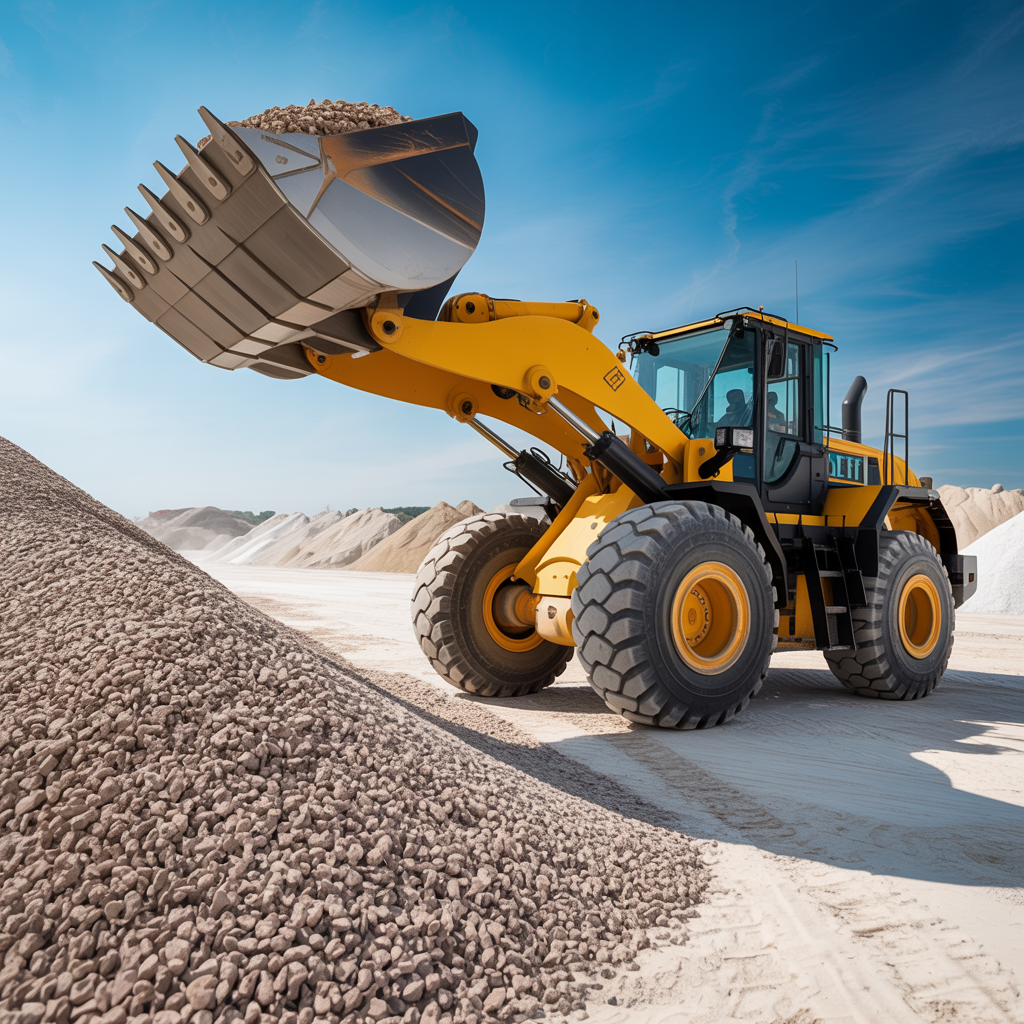
A wheel loader is one of the most versatile machines on any job site. Whether you're moving aggregate, loading trucks, handling pallets, or clearing snow, a quality wheel loader can dramatically improve productivity. But with new machines commonly priced well into six figures, buying used makes financial sense for many contractors and dealers. The key is knowing what to look for—and what to avoid.
This guide walks you through the complete process of buying a used wheel loader, from understanding size classes and brand differences to evaluating machine condition and negotiating a fair price. Whether you're a first-time buyer or adding to an existing fleet, you'll find practical advice to help you make a confident purchase.
Understanding Wheel Loader Size Classes
Wheel loaders are categorized by operating weight and bucket capacity. Choosing the right size depends on your primary applications, the materials you'll handle, and the trucks or equipment you'll be loading. Here's a general breakdown of the main size classes:
Compact Wheel Loaders (Under 15,000 lbs)
These smaller machines are ideal for landscaping, agriculture, snow removal, and light material handling. They typically feature bucket capacities between 0.75 and 1.5 cubic yards. Compact loaders offer excellent maneuverability in tight spaces and are easier to transport without oversize permits. Popular models in this class include the Caterpillar 906, John Deere 244L, and Kubota R630.
Small Wheel Loaders (15,000–30,000 lbs)
Small wheel loaders handle a wider range of tasks, from loading standard dump trucks to stockpiling materials. Bucket capacities typically range from 1.5 to 3 cubic yards. These machines balance capability with reasonable operating costs and are common choices for small to mid-sized contractors. Examples include the CAT 926M, Komatsu WA200, and Volvo L60.
Medium Wheel Loaders (30,000–50,000 lbs)
Medium loaders are workhorses for aggregate operations, recycling facilities, and larger construction projects. With bucket capacities commonly between 3 and 5 cubic yards, they can efficiently load larger trucks and handle heavier materials. The CAT 950, Komatsu WA320, John Deere 644, and Volvo L90 are popular choices in this segment.
Large Wheel Loaders (Over 50,000 lbs)
Large wheel loaders are built for high-production environments like quarries, mining operations, and major infrastructure projects. Bucket capacities can exceed 6 cubic yards, and these machines require significant capital investment even on the used market. Models like the CAT 980, Komatsu WA500, and Volvo L150 dominate this class.
When sizing a wheel loader, consider your typical load requirements, the trucks you'll be filling, and any space constraints on your job sites. A machine that's too small will slow production, while an oversized loader wastes fuel and may not fit your operating environment.
Major Wheel Loader Brands and What to Expect
Several manufacturers produce quality wheel loaders, each with distinct characteristics. Understanding brand differences can help you narrow your search and set realistic expectations for parts availability and resale value.
Caterpillar
CAT wheel loaders are known for durability, strong dealer support, and excellent resale value. The H-Series and newer M-Series machines offer advanced technology and fuel efficiency improvements. Parts availability is typically excellent throughout the United States, though CAT machines often command premium prices on the used market.
Volvo
Volvo loaders are praised for operator comfort, fuel efficiency, and smooth hydraulics. Their torque-parallel linkage design provides excellent parallel lift throughout the range of motion, making them popular for pallet handling and applications requiring precise load control. If you're comparing Volvo to other brands, our Volvo vs CAT wheel loader comparison offers detailed insights.
Komatsu
Komatsu wheel loaders offer solid reliability and competitive pricing. Their SmartLoader Logic technology optimizes power delivery for fuel savings. The WA series covers a full range of sizes, and parts support is generally good through the dealer network.
John Deere
Deere loaders benefit from the company's extensive dealer network, particularly in agricultural regions. Their machines are known for straightforward serviceability and strong hydraulic systems. The L-Series represents their current lineup, with good availability of used K-Series and earlier models.
Case and Other Brands
Case, Hitachi, Liebherr, and other manufacturers also produce capable wheel loaders. Case Construction equipment offers competitive machines with good value retention. When considering less common brands, verify parts availability and service support in your area before purchasing.
Critical Inspection Points for Used Wheel Loaders
A thorough inspection is essential when buying any used heavy equipment. Wheel loaders have specific wear points and potential problem areas that deserve careful attention.
Drivetrain and Transmission
The drivetrain is one of the most expensive components to repair or replace. Start by checking transmission operation through all gear ranges, both forward and reverse. Listen for unusual noises, feel for harsh shifts, and note any hesitation when changing direction. Powershift transmissions should shift smoothly without jerking or slipping.
Check the torque converter for signs of overheating or contamination. Pull transmission fluid samples if possible—dark, burnt-smelling fluid or metallic particles indicate internal wear. Axle seals should be dry, with no signs of leakage around hubs or differentials.
Hydraulic System
Wheel loaders depend heavily on their hydraulic systems for lifting, tilting, and steering. Operate all functions through their full range, checking for smooth, consistent movement. Jerky or slow operation may indicate pump wear, valve problems, or cylinder issues.
Inspect hydraulic cylinders for scoring, pitting, or chrome damage on the rods. Check all hose connections and fittings for leaks. With the engine running, listen for pump whine or cavitation noises that suggest internal wear. If the machine has been sitting, hydraulic seals may have dried out and begun leaking.
Articulation Joint and Steering
The articulation joint is a critical wear point on wheel loaders. With the machine on level ground, check for excessive play by having someone turn the steering wheel while you observe the joint. Any visible movement or clunking indicates worn pins and bushings—a repair that can run into thousands of dollars.
Test steering response throughout the full range of articulation. Steering should be smooth and responsive without dead spots or binding. Check steering cylinder condition and look for leaks around the articulation area.
Loader Arms and Bucket
Examine the loader arms for cracks, particularly around weld joints and pin connections. Look for signs of previous repairs or reinforcement plates that might indicate past damage. Check all pivot pins and bushings for wear—excessive play affects bucket control and accelerates further wear.
Inspect the bucket for cracks, worn cutting edges, and damaged teeth. Bucket repairs are generally straightforward, but severe damage affects productivity. Consider the cost of new cutting edges and teeth when evaluating the overall price.
Tires
Wheel loader tires represent a significant expense—a full set of large loader tires can easily cost $15,000 to $30,000 or more depending on size and type. Carefully assess remaining tread depth, sidewall condition, and any cuts or damage. Check for uneven wear patterns that might indicate alignment issues or improper inflation history.
Foam-filled tires are common in scrap yards and recycling operations. While they eliminate flats, they're heavier and can't be repaired if damaged. Factor tire condition heavily into your purchase negotiations.
Engine and Cooling System
Start the engine cold if possible and observe the exhaust. Excessive smoke on startup may indicate worn rings or valve seals. Blue smoke suggests oil burning, while black smoke points to fuel system issues. Once warm, the exhaust should be relatively clean.
Check the cooling system for leaks, damaged hoses, and radiator condition. Wheel loaders working in dusty environments often have clogged radiator cores. Verify that the cooling fan and any reversing fan systems operate correctly. Overheating history can cause serious engine damage.
Cab and Controls
Inspect the cab for overall condition, including seat wear, HVAC operation, and visibility through windows. Test all gauges, warning lights, and electronic displays. Modern loaders with advanced monitoring systems should show no fault codes or error messages.
Operate all controls and verify smooth, responsive function. Check that safety systems like backup cameras, alarms, and lights work properly. A well-maintained cab often reflects overall machine care.
Evaluating Machine History and Documentation
Beyond physical inspection, understanding a wheel loader's history provides valuable context for assessing its condition and remaining useful life.
Hour Meter and Usage Patterns
Hour meters tell part of the story, but usage intensity matters more than hours alone. A loader with 8,000 hours in a sand and gravel operation has likely experienced harder use than one with similar hours doing light landscaping work. Ask about the machine's primary applications and operating environment.
Be cautious of hour meters that seem inconsistent with overall machine wear. Rollback or replacement is uncommon but not impossible. Cross-reference hours with service records when available.
Maintenance Records
Comprehensive maintenance records are invaluable. Look for evidence of regular oil changes, filter replacements, and scheduled services. Records of transmission and hydraulic fluid changes are particularly important for wheel loaders.
Ask about any major repairs or component replacements. A rebuilt transmission or new torque converter might actually be a positive if the work was done properly and recently. Conversely, a pattern of repeated repairs in the same area suggests underlying problems.
Ownership History
Machines from fleet operations often have better maintenance histories than those from smaller operators. Rental fleet machines may have higher hours but typically receive regular service. Single-owner machines from reputable contractors can be excellent finds.
Be wary of machines with unclear ownership history or those that have changed hands frequently. Multiple owners in a short period sometimes indicates problems that each buyer discovered after purchase.
Pricing Considerations for Used Wheel Loaders
Used wheel loader prices vary significantly based on brand, size, age, hours, and condition. Understanding market dynamics helps you identify fair deals and avoid overpaying.
Factors Affecting Value
Brand reputation and parts availability significantly impact resale values. Premium brands like Caterpillar and Volvo typically command higher prices but may offer better long-term value through reliability and resale. Hours and age both matter, but condition often trumps both—a well-maintained high-hour machine may be worth more than a neglected low-hour unit.
Geographic location affects pricing, with machines in active construction markets sometimes commanding premiums. Seasonal factors also play a role, with demand often higher in spring and summer months.
Getting an Accurate Valuation
Before making an offer, research comparable sales and current listings for similar machines. Our free equipment valuation tool can help you understand fair market value based on make, model, year, and hours. This information strengthens your negotiating position and helps you recognize both good deals and overpriced machines.
Total Cost of Ownership
Purchase price is just one component of ownership cost. Factor in anticipated repairs, tire replacement, fuel consumption, and ongoing maintenance. A cheaper machine with deferred maintenance may ultimately cost more than a pricier unit in better condition.
Consider financing costs if applicable, as well as insurance and any transportation expenses to get the machine to your location. For larger loaders, transport can add several thousand dollars to your total investment.
Where to Find Quality Used Wheel Loaders
Used wheel loaders are available through various channels, each with advantages and considerations.
Dealer Inventory
Equipment dealers often offer inspected and serviced machines, sometimes with limited warranties. You'll typically pay more than private-party prices, but the added assurance may be worth the premium, especially for buyers less experienced with equipment evaluation.
Auctions
Equipment auctions can offer competitive prices, but buyers must be prepared to act quickly with limited inspection time. Understand auction terms, buyer premiums, and any as-is conditions before bidding.
Online Marketplaces
Online platforms connect buyers with sellers across wide geographic areas, expanding your options beyond local inventory. You can browse wheel loader listings on EquipMarket to see current availability from dealers and private sellers throughout the United States. Online shopping allows you to compare multiple options efficiently, though you'll still want to inspect any machine in person before finalizing a purchase.
Private Sellers
Buying directly from contractors or equipment owners can offer good value, as there's no dealer markup. However, you'll need to conduct thorough due diligence, as private sales typically come with no warranties or guarantees.
Negotiating and Closing the Deal
Armed with inspection findings and market research, you're ready to negotiate. Be prepared to walk away if the seller won't meet a fair price—there are always other machines available.
Document any issues discovered during inspection and use them as negotiating points. Significant repairs like tire replacement, articulation joint work, or transmission service can justify substantial price reductions.
Before finalizing the purchase, verify clear title and ensure there are no liens on the equipment. Request a bill of sale that includes the machine's serial number, agreed price, and both parties' information. For larger transactions, consider using an escrow service for payment security.
Find Your Next Wheel Loader on EquipMarket
Buying a used wheel loader is a significant investment that can pay dividends for years when done right. Take your time, inspect thoroughly, and don't let pressure push you into a bad decision. The right machine at the right price is worth waiting for.
Ready to start your search? Browse current equipment listings on EquipMarket to find wheel loaders from trusted sellers across the country. If you have equipment to move, you can list your machinery for sale and reach qualified buyers looking for exactly what you're offering. Whether you're buying or selling, EquipMarket connects contractors and dealers with the heavy equipment they need.