If you buy a machine that has a lien on it, the lender can come after the machine even though you paid for it. Here's how to check before money changes hands.
Why is checking liens on equipment different from checking a car?
Cars have titles that show the lienholder. Most off-road construction and farm equipment has no title. Instead, lenders record their security interest by filing a UCC-1 financing statement with the Secretary of State. To find it, you have to search those filings.
How do I run a UCC lien search?
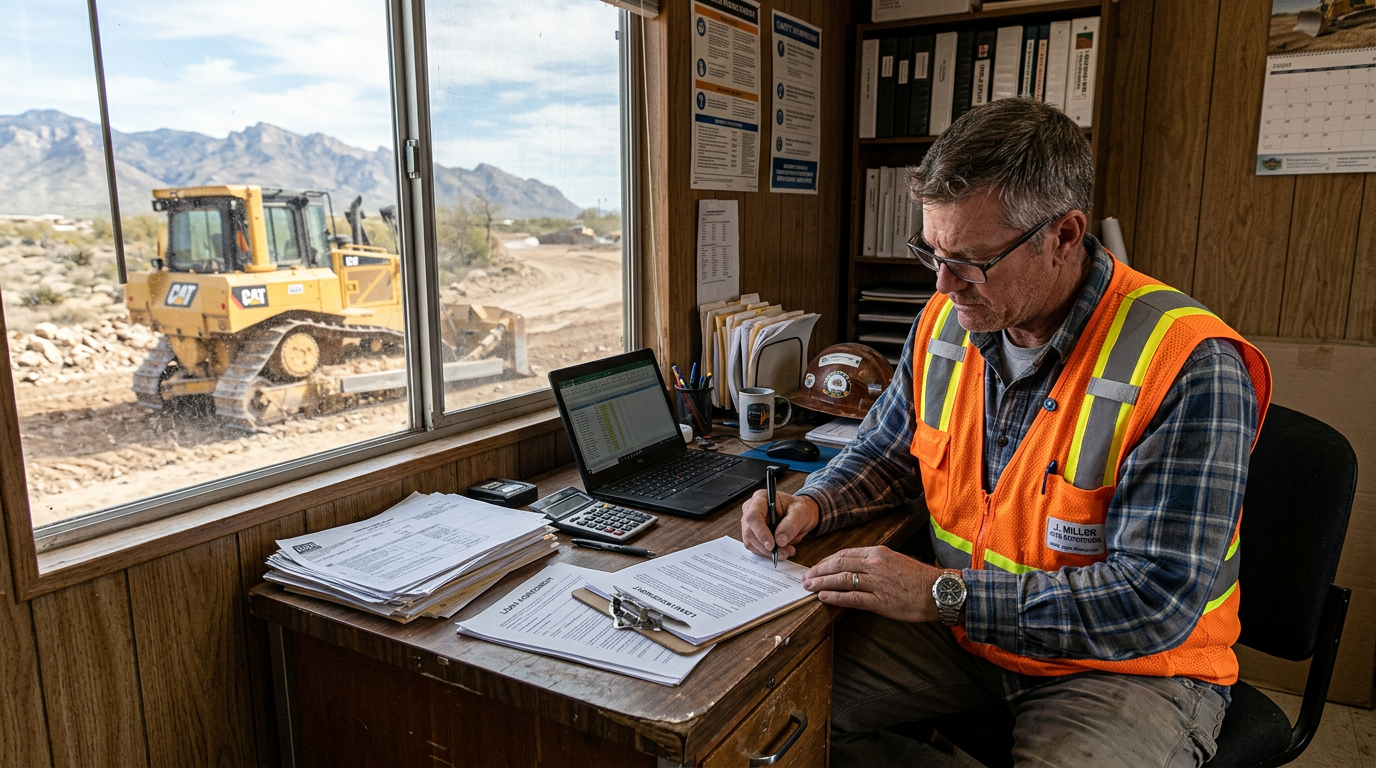
- Go to the Secretary of State's UCC search in the state where the seller is located. For a business, that's usually its state of registration. That may not be where the machine is parked.
- Search under the seller's exact legal name: the individual's full name, or the business's registered name, including LLC or Inc.
- Review every active filing. Many state searches are free or cost only a few dollars, and there are paid search services if you'd rather use one.
Can I search by serial number?
Usually not. UCC filings are indexed by the debtor's name, not the serial number. Some filings list serial numbers in their collateral descriptions, so read each one closely, but a name search is the only reliable method.
What is a blanket lien?
A blanket lien covers "all equipment" or "all assets" of a business, which is common with business lines of credit. Even if the excavator isn't named, it may still be collateral. If you find one, ask the seller for a written release covering that specific machine from the secured party.
I found a lien. Should I walk away?
Not necessarily. Liens are common on working equipment. The safe process is:
- Get a payoff letter from the seller's lender.
- Send the payoff directly to the lender, never to the seller.
- Get a written lien release and confirm that a UCC-3 termination is filed.
- Pay any remaining balance to the seller and sign the bill of sale.
What else should I verify?
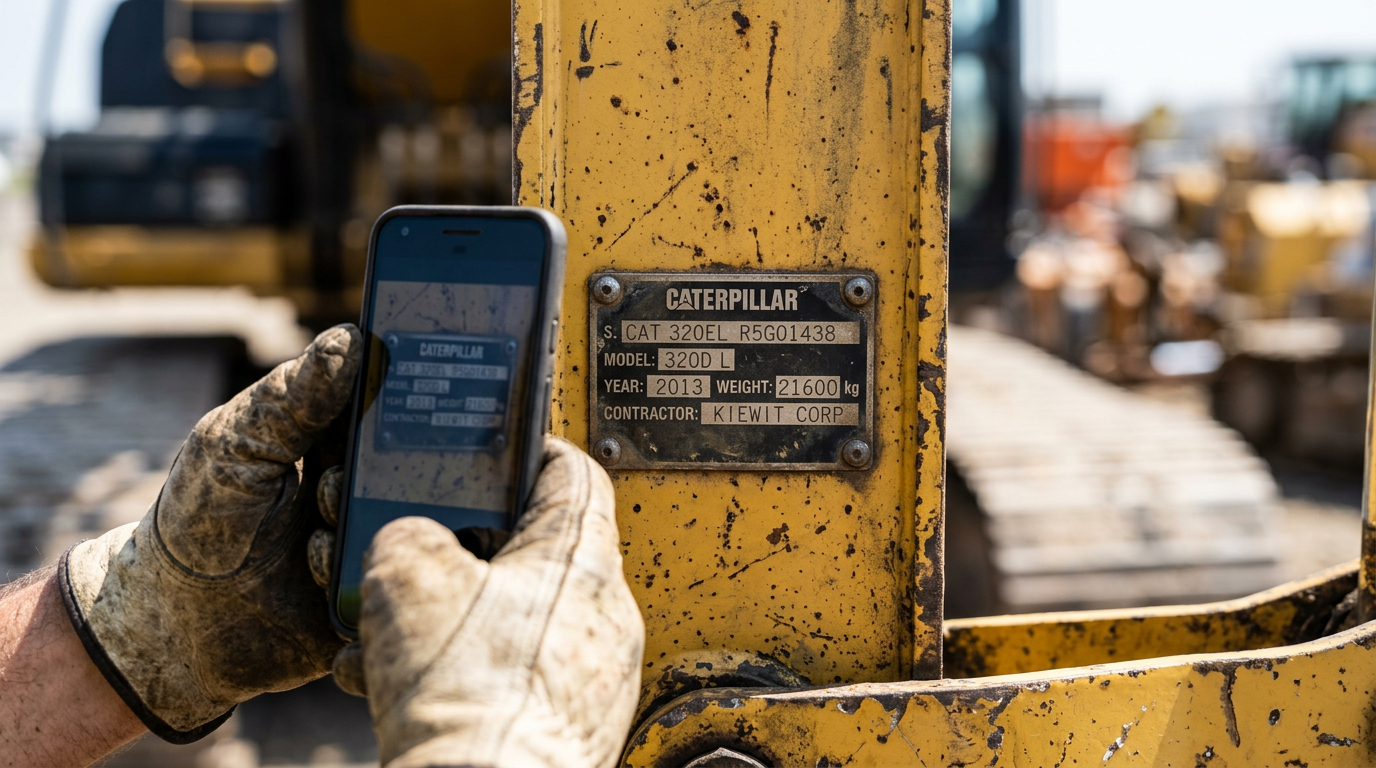
Match the serial number on the frame plate with the seller's paperwork and look for any tampering. It's also worth searching tax-lien and judgment records for the seller. Sellers can read the other side of this process in selling equipment with a loan.
Does financing help protect me?
Yes. When you finance a purchase, the lender typically confirms the collateral and handles any existing payoff as part of funding, which builds lien protection into the deal. That's a big reason buyers finance private-party purchases even when they could pay cash.
How do I apply for equipment financing through EquipMarket?
EquipMarket works with our lending partner, Southend Capital, to finance dealer and private-party equipment. One short application gets you pre-qualified. Terms run 24 to 72 months, and you can choose an Equipment Finance Agreement (finance-to-own), a traditional lease, a 10% fair-market-value lease or a $1 buyout lease.
Apply for financing now → or compare financing options and estimate a payment. Rates and approval are set by the lender based on your credit, time in business and the machine.
Shop with confidence: browse listings or see our private-seller buying guide.