Whether you're looking to sell a bulldozer from your fleet or purchase a used dozer for an upcoming project, understanding current market values is essential. Unlike passenger vehicles with standardized pricing guides, heavy equipment valuation requires consideration of multiple factors—from machine hours and undercarriage condition to brand reputation and regional demand. This comprehensive guide will help you understand what drives used dozer values in 2026 and how to accurately assess what any given machine is worth.
Understanding Dozer Depreciation: The Basics
Bulldozers represent significant capital investments, with new machines ranging from approximately $100,000 for smaller utility dozers to well over $1 million for large production-class units. Like all heavy equipment, dozers depreciate over time, but the rate and pattern of that depreciation varies considerably based on several factors.
First-Year Depreciation
New dozers typically experience their steepest depreciation in the first year of ownership. Industry data suggests that bulldozers commonly lose between 15% and 25% of their value during this initial period. This "drive-off-the-lot" depreciation reflects the transition from new to used status and is unavoidable regardless of how carefully the machine is maintained or how few hours it accumulates.
Years Two Through Five
After the initial drop, depreciation tends to stabilize into a more predictable pattern. During years two through five, dozers typically depreciate at a rate of roughly 8% to 12% annually, depending on usage intensity and maintenance practices. A well-maintained dozer with average annual hours (typically 800 to 1,200 hours per year) will hold value better than one that's been run hard or neglected.
The Depreciation Curve Flattens
Beyond the five-year mark, depreciation generally slows further. Machines in the 5- to 10-year range may depreciate at 5% to 8% annually, while dozers older than 10 years often reach a value floor where depreciation becomes minimal—assuming the machine remains operational and hasn't suffered major component failures.
Key Factors That Determine Used Dozer Value
While age provides a starting framework, several other factors significantly influence what a used dozer is actually worth. Understanding these variables helps both buyers and sellers arrive at fair market values.
Machine Hours
Hours are the primary metric for measuring dozer usage and wear. Most industry professionals consider 10,000 hours a significant threshold—machines below this mark are generally considered to have substantial useful life remaining, while those above it may be approaching major rebuild territory. However, context matters: 10,000 hours accumulated over 15 years represents much lighter use than the same hours logged in 5 years.
As a general benchmark, dozers with fewer than 5,000 hours are often considered "low-hour" machines and command premium prices. Those in the 5,000 to 10,000 range represent typical used inventory, while machines exceeding 15,000 hours are valued primarily for their remaining component life and may require significant investment to remain productive.
Undercarriage Condition
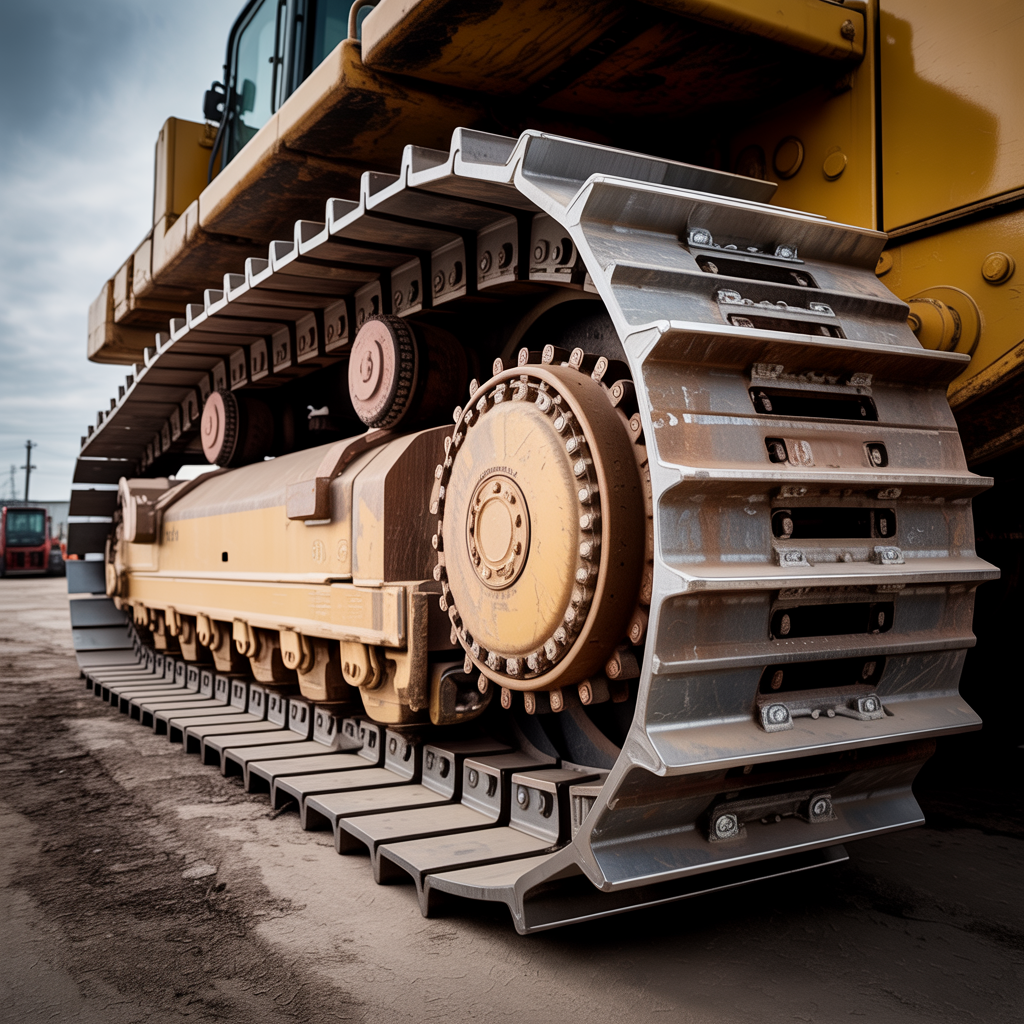
The undercarriage is typically the most expensive system to rebuild on any dozer, often representing 40% to 60% of total machine value in replacement costs. Tracks, rollers, idlers, sprockets, and track frames all wear at different rates depending on application and ground conditions.
A dozer with 80% or more undercarriage life remaining will command significantly higher prices than an identical machine needing imminent undercarriage work. Buyers should always request undercarriage measurements, and sellers should document remaining wear percentages to support asking prices. For detailed inspection guidance, see our guide on buying a used dozer.
Brand and Model
Brand reputation significantly impacts resale values. Caterpillar dozers have historically commanded the strongest resale values in the North American market, often retaining 5% to 15% more value than comparable machines from other manufacturers at similar ages and hours. Komatsu and John Deere also maintain strong resale positions, while other brands may depreciate more rapidly despite offering comparable performance when new.
Within brands, certain models develop reputations for reliability or desirability that affect values. Popular models with readily available parts and strong dealer support networks typically hold value better than less common variants. For a detailed comparison of two popular brands, check out our John Deere vs Komatsu dozer comparison.
Configuration and Features
Dozer specifications significantly impact value. Key configuration factors include:
- Blade type: Semi-universal (SU) blades are most common and versatile, while specialized blades (straight, angle, coal, etc.) may limit buyer appeal or add value depending on regional demand
- Track type: LGP (Low Ground Pressure) configurations command premiums in soft-ground applications but may be less desirable for hard-ground work
- Ripper: Machines equipped with rippers typically bring higher prices than those without, as ripper installation is expensive
- Technology: GPS/GNSS grade control systems add significant value, though buyers should verify system compatibility and transferability
- Cab features: Enclosed cabs with HVAC, modern controls, and good visibility add value over ROPS-only configurations
Maintenance History and Documentation
Comprehensive service records can add measurable value to any used dozer. Machines with documented maintenance histories—particularly those showing adherence to manufacturer-recommended service intervals—provide buyers with confidence and reduce perceived risk. Oil sample histories showing consistent results are particularly valuable, as they indicate both proper maintenance and absence of developing problems.
Geographic Location
Dozer values vary by region based on local demand, typical applications, and economic conditions. Markets with strong construction activity, mining operations, or land-clearing demand typically see higher used dozer prices. Conversely, machines in areas with limited demand may sell for less, though transportation costs can offset regional price differences.
2026 Market Conditions Affecting Dozer Values
Several factors are shaping the used dozer market in 2026, and understanding these dynamics helps contextualize current values.
New Equipment Lead Times
While supply chain disruptions have eased compared to previous years, lead times for new dozers remain extended for certain models and configurations. This sustained demand for used equipment has supported resale values across most size classes. Buyers unable or unwilling to wait for new machines continue turning to the used market, maintaining competitive pricing.
Infrastructure Investment
Ongoing infrastructure spending continues to drive demand for earthmoving equipment, including dozers. Projects ranging from highway construction to site development require dozer capacity, supporting both rental rates and purchase prices for quality used machines.
Emissions Regulations
Tier 4 Final emissions standards have been in effect for several years, and the market has largely absorbed these machines. However, older Tier 3 and earlier dozers may face restrictions in certain markets or applications, potentially affecting their values. Buyers should consider regulatory requirements in their operating areas when evaluating older machines.
Technology Integration
The increasing adoption of machine control technology has created a two-tier market in some respects. Dozers equipped with integrated grade control systems or "machine control ready" packages command premiums over conventional machines, particularly for finish grading applications. However, the rapid pace of technology evolution means that older systems may have limited value if they're incompatible with current software or satellite constellations.
Dozer Value Ranges by Size Class
While specific values depend on all the factors discussed above, the following ranges provide general benchmarks for 2026. These figures represent typical asking prices for machines in average condition with average hours for their age.
Small Dozers (Under 100 HP)
Compact and utility dozers in this class include models like the CAT D3 and D4, Komatsu D31 and D37, and John Deere 450 and 550 series. These machines are popular for residential site work, landscaping, and light commercial applications.
Typical value ranges:
- 1-3 years old: $80,000 - $180,000
- 4-7 years old: $50,000 - $120,000
- 8-12 years old: $30,000 - $70,000
- 13+ years old: $15,000 - $40,000
Medium Dozers (100-200 HP)
This popular size class includes the CAT D5 and D6, Komatsu D61 and D65, and John Deere 700 and 750 series. These versatile machines handle everything from commercial site work to road construction and are among the most actively traded in the used market.
Typical value ranges:
- 1-3 years old: $200,000 - $400,000
- 4-7 years old: $120,000 - $280,000
- 8-12 years old: $70,000 - $180,000
- 13+ years old: $35,000 - $100,000
Large Dozers (200-350 HP)
Production-class dozers like the CAT D7 and D8, Komatsu D85 and D155, and John Deere 850 and 1050 are built for high-production earthmoving, mining support, and heavy construction applications.
Typical value ranges:
- 1-3 years old: $400,000 - $700,000
- 4-7 years old: $250,000 - $500,000
- 8-12 years old: $150,000 - $350,000
- 13+ years old: $75,000 - $200,000
Mining-Class Dozers (350+ HP)
The largest dozers, including the CAT D9, D10, and D11 series along with Komatsu's D275 and D375, serve mining and major earthmoving operations. These machines represent substantial investments and maintain significant values even at high hours.
Typical value ranges:
- 1-3 years old: $800,000 - $2,000,000+
- 4-7 years old: $500,000 - $1,200,000
- 8-12 years old: $300,000 - $800,000
- 13+ years old: $150,000 - $500,000
How to Get an Accurate Dozer Valuation
Given the many variables affecting used dozer values, arriving at an accurate figure requires systematic evaluation. Here's a practical approach:
Start with Comparable Sales
Research recent sales of similar machines—same make, model, approximate age, and hours. Online marketplaces, auction results, and dealer listings provide useful data points. Be sure to account for differences in condition, configuration, and location when comparing.
Assess Current Condition
Conduct or obtain a thorough inspection covering:
- Undercarriage measurements and remaining wear percentages
- Engine performance and oil analysis history
- Transmission and final drive condition
- Hydraulic system performance
- Structural integrity (frame, ROPS, blade)
- Electrical systems and technology components
Factor in Required Repairs
Identify any immediate or near-term repairs needed and estimate their costs. Subtract these from comparable sale values to arrive at a fair price reflecting actual condition. Major items like undercarriage rebuilds, engine overhauls, or transmission repairs can represent tens of thousands of dollars in adjustment.
Consider Market Timing
Equipment values fluctuate seasonally and with broader economic conditions. Spring and early summer typically see stronger demand and prices as construction season ramps up, while late fall and winter may offer buying opportunities as sellers look to reduce inventory.
Use Professional Valuation Tools
For a quick estimate based on current market data, use EquipMarket's free heavy equipment valuation tool. This provides a starting point based on make, model, year, and hours that you can then adjust for specific condition factors.
Maximizing Dozer Resale Value
If you're planning to sell a dozer, several strategies can help you achieve the best possible price:
Maintain Thorough Records
Compile all service records, oil sample reports, and repair documentation. Organized maintenance history demonstrates responsible ownership and reduces buyer concerns about hidden problems.
Address Minor Issues
Fix small problems before listing—leaking hoses, broken lights, worn seats, and similar items. While individually minor, accumulated deferred maintenance creates a negative impression and invites lowball offers.
Clean the Machine
A thorough cleaning, including pressure washing and touching up paint where practical, significantly improves presentation. Clean machines photograph better and show buyers that the equipment has been cared for.
Obtain Undercarriage Measurements
Professional undercarriage inspection with documented measurements provides objective condition data that supports your asking price. Buyers expect this information, and providing it proactively builds confidence.
Price Realistically
Overpriced equipment sits on the market, accumulating additional hours and depreciation while missing qualified buyers. Research comparable sales and price competitively to attract serious interest.
Buying a Used Dozer: Value Considerations
When shopping for a used dozer, keep these value-focused strategies in mind:
Define Your Requirements
Understand the size, configuration, and features you actually need. Buying more machine than necessary wastes capital, while undersized equipment limits productivity. Match the dozer to your typical applications.
Consider Total Cost of Ownership
Purchase price is just one component of equipment cost. Factor in expected maintenance, fuel consumption, insurance, and eventual resale when comparing options. A slightly higher-priced machine with better documentation and condition may cost less over its ownership period.
Inspect Thoroughly
Never purchase based on photos and descriptions alone. Inspect the machine in person or hire a qualified inspector. Pay particular attention to undercarriage condition, as this represents the largest potential expense.
Verify Hours and History
Confirm stated hours match machine condition and available records. Inconsistencies may indicate tampering or undisclosed problems. Request service records and contact previous owners if possible.
Browse Current Inventory
Review available dozer listings to understand current market pricing and availability. Comparing multiple options helps ensure you're getting fair value.
Find Your Next Dozer or Sell Your Current Machine
Understanding used dozer values empowers you to make informed decisions whether buying or selling. The combination of age, hours, condition, brand, and configuration creates unique value propositions for every machine—and being able to assess these factors accurately protects your investment.
Ready to take action? If you have a dozer to sell, list your equipment on EquipMarket to reach qualified buyers across the country. Looking to add capacity to your fleet? Browse our current heavy equipment listings to find quality used dozers and other earthmoving equipment at competitive prices. Whether buying or selling, EquipMarket connects contractors and dealers with the equipment they need to get the job done.