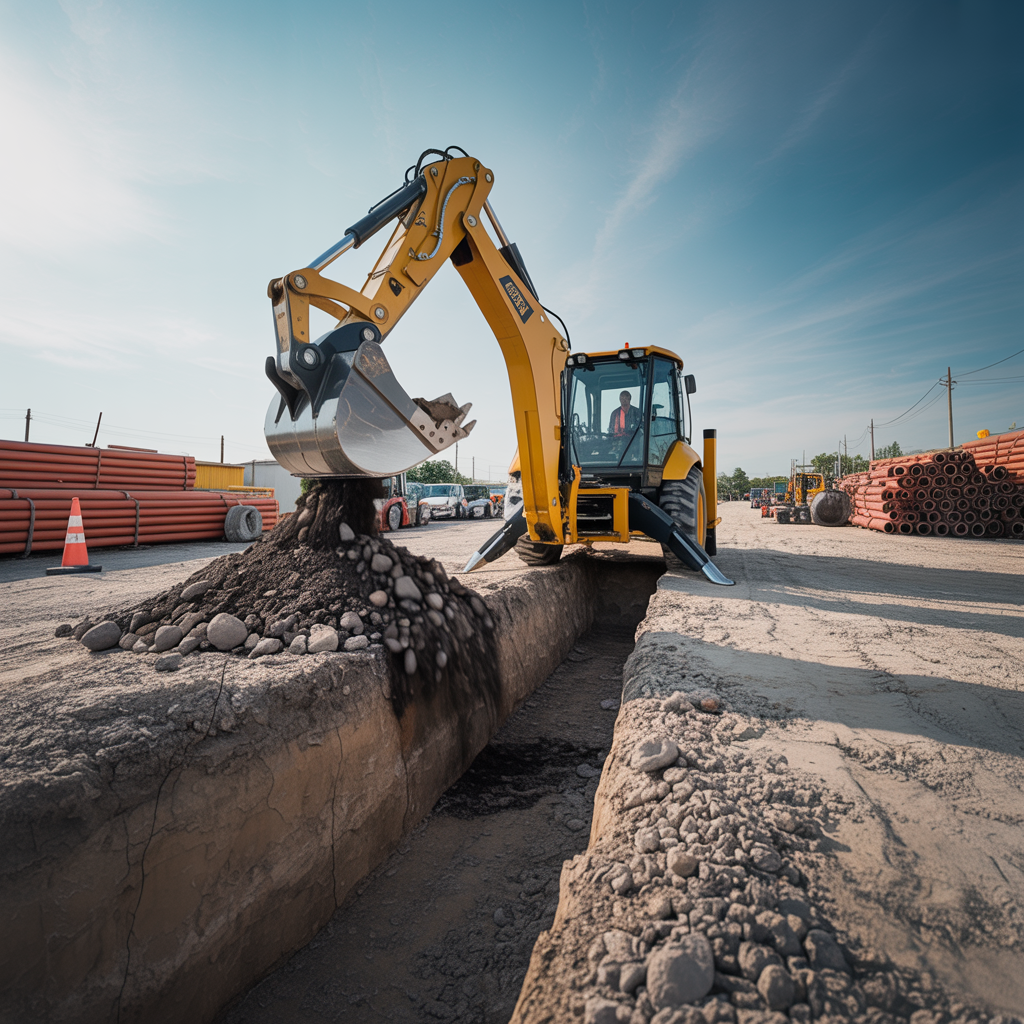
The backhoe loader remains one of the most versatile pieces of equipment on any job site. With a loader bucket on the front and an excavator-style boom and bucket on the rear, this machine handles everything from trenching and loading to grading and material handling. For contractors who need flexibility without maintaining a full fleet, a quality used backhoe loader delivers exceptional value—but only if you know what to look for before signing the check.
Unlike single-purpose machines, backhoes endure stress from multiple directions. The loader end takes impact loads during material handling, while the backhoe end experiences the cyclical stresses of digging and swinging. This dual-purpose nature means inspection requires attention to two distinct systems, each with its own wear patterns and failure points. This guide walks you through a comprehensive evaluation process so you can buy with confidence.
Understanding Backhoe Loader Classes and Configurations
Before inspecting any machine, you need to understand what you're looking at. Backhoe loaders typically fall into three size categories based on operating weight and horsepower:
Compact Backhoes (Under 14,000 lbs)
These smaller units, typically in the 50-75 horsepower range, excel in tight spaces and lighter-duty applications. They're popular for landscaping, utility work, and residential construction. Common models include the John Deere 310 series entry-level units, Case 580 Super N, and Caterpillar 415/416 models. While easier to transport, compact backhoes may lack the digging force needed for heavy excavation in compacted soils.
Standard Backhoes (14,000-18,000 lbs)
This is the workhorse category that handles most commercial and municipal applications. Machines like the Case 580 Super M/L, John Deere 310SL, Caterpillar 420/430 series, and JCB 3CX dominate this segment. Horsepower typically ranges from 75-100, with dig depths commonly reaching 14-16 feet with standard sticks.
Large Backhoes (Over 18,000 lbs)
Heavy-duty units like the Case 590, John Deere 410/710 series, and Caterpillar 444 deliver maximum digging force and loader capacity. These machines often feature 100+ horsepower engines and can handle demanding excavation in tough conditions. They're common in heavy civil work and larger utility projects.
Key Configuration Options
Beyond size class, several configuration options significantly affect capability and value:
- Two-wheel drive vs. four-wheel drive: 4WD commands a premium and provides better traction, especially in soft or muddy conditions
- Extendable stick (extendahoe): Adds 3-5 feet of dig depth but introduces additional pivot points that can wear
- Pilot controls vs. mechanical levers: Pilot controls offer smoother operation and reduced operator fatigue
- Cab vs. ROPS canopy: Enclosed cabs with climate control are essential for year-round comfort
- Ride control: Dampens loader bounce during transport, reducing spillage and operator fatigue
Inspecting the Loader End
The front loader assembly takes significant abuse, particularly in operations involving pallet forks, material handling, and aggressive loading. Start your inspection here.
Loader Arms and Pivot Points
Check all pivot pins and bushings for excessive play. With the loader raised slightly off the ground, push and pull on the bucket to feel for movement in the pins. Some play is normal after thousands of hours, but excessive looseness indicates expensive repairs ahead. Look for cracks or repairs at the loader arm attachment points to the main frame—these are high-stress areas.
Loader Bucket Condition
Examine the cutting edge and teeth (if equipped). A worn cutting edge is an inexpensive fix, but a bucket with significant structural damage, cracked welds, or worn-through floor plates needs replacement. Check the bucket pin holes for elongation, which indicates heavy use and neglected maintenance.
Loader Hydraulic Cylinders
Inspect the lift and tilt cylinders for leaks around the seals. Minor seepage may be acceptable, but active dripping indicates seal failure. Look for scoring or pitting on the cylinder rods—damaged rods destroy new seals quickly. Operate the loader through its full range of motion and listen for unusual noises or hesitation that might indicate internal cylinder problems.
Inspecting the Backhoe End
The backhoe assembly is where most of the machine's value lies. A worn-out backhoe end can cost tens of thousands to rebuild properly.
Swing Tower and Slew Ring
The swing tower connects the backhoe boom to the machine and allows 180-degree rotation. Check for excessive play by having someone operate the swing function while you watch the connection point. Listen for grinding or popping sounds that indicate worn swing bearings. On machines with swing cylinders (rather than swing motors), inspect the cylinder mounting points for cracks.
Boom, Dipper Stick, and Bucket
Examine all structural components for cracks, especially at weld points and pin boss areas. Look for evidence of previous repairs—quality repairs are acceptable, but poor welding or obvious patches suggest abuse. Check all pins and bushings throughout the boom assembly. The bucket pivot and dipper-to-boom connection typically show wear first.
If the machine has an extendable stick, pay special attention to the extension mechanism. Slide the stick in and out while watching for binding or excessive play. The wear pads inside the outer stick section are a common service item—worn pads allow the inner stick to wobble and accelerate wear on the extension cylinder.
Backhoe Hydraulic Cylinders
The boom, stick, and bucket cylinders work harder than any other hydraulics on the machine. Check each cylinder for leaks, rod damage, and smooth operation throughout the full range of motion. Drift testing is essential: raise the boom, curl the bucket, and extend the stick, then shut off the engine. Significant drift over 1-2 minutes indicates internal cylinder bypass or control valve problems.
Stabilizer Legs
The stabilizers support the entire machine during backhoe operation. Inspect the pads for wear and check that the legs extend and retract smoothly. Look for bent or damaged legs—a sign the machine may have been operated on unstable ground or tipped. Check the stabilizer cylinders for leaks and proper holding capacity.
Drivetrain and Engine Evaluation
A backhoe's engine and transmission must power both travel and hydraulic functions. Problems here affect everything the machine does.
Engine Assessment
Start the engine cold if possible—cold starts reveal problems that disappear once the machine warms up. Listen for unusual knocking, excessive smoke, or rough running. Blue smoke indicates oil burning, while black smoke suggests fuel system issues. White smoke on startup may be normal in cold weather but shouldn't persist.
Check the engine oil for contamination. Milky oil indicates coolant intrusion, often from a failed head gasket or cracked block. Metal particles in the oil suggest internal wear. Review maintenance records for oil change intervals and any major repairs.
Transmission and Drivetrain
Most backhoes use either a torque converter powershift transmission or a shuttle-shift design. Test all forward and reverse gears for smooth engagement. Harsh shifts, slipping, or delayed engagement indicate transmission wear. On 4WD machines, engage the front axle and test operation—front axle components are expensive to repair.
Check the transmission and axle housings for leaks. Inspect the driveshaft U-joints for play and the axle seals for leakage. On articulated steering models, check the steering cylinder and pivot bearings.
Hydraulic System Deep Dive
The hydraulic system is the heart of any backhoe loader. Problems here affect loader response, digging power, and overall productivity.
Pump and Valve Assessment
With the engine at operating temperature, run the hydraulic system through all functions. Response should be immediate and consistent. Sluggish operation, especially when the system is under load, often indicates pump wear. Listen for whining or cavitation sounds from the pump area.
Check hydraulic fluid level and condition. Dark, burnt-smelling fluid suggests overheating and system neglect. Look at the hydraulic filter—a clogged filter or evidence of frequent filter changes may indicate internal component failure shedding debris into the system.
Hose and Fitting Inspection
Examine all hydraulic hoses for cracking, bulging, or abrasion. Pay particular attention to hoses that route through articulation points or near heat sources. Check fittings for leaks and corrosion. While hose replacement is routine maintenance, a machine with multiple deteriorated hoses suggests deferred maintenance throughout.
Assessing Fair Market Value
Backhoe loader values vary significantly based on brand, age, hours, condition, and configuration. Use EquipMarket's free valuation tool to establish a baseline value for any machine you're considering.
Key Value Factors
Hours: Most backhoe loaders are designed for 8,000-12,000 hours before major overhauls become necessary. Machines under 3,000 hours typically command premium prices, while those over 6,000 hours should be priced to reflect upcoming maintenance needs.
Brand and model: Case, John Deere, and Caterpillar generally hold value best in the U.S. market due to parts availability and dealer networks. JCB has strong following in certain regions. Lesser-known brands may offer value but consider long-term parts sourcing.
Configuration: 4WD typically adds 10-15% to value compared to 2WD equivalents. Extendahoe, pilot controls, enclosed cab with A/C, and ride control all add value. Machines with auxiliary hydraulics for attachments are worth more to buyers who need that capability.
Maintenance history: Documented service records significantly impact value. A well-maintained 5,000-hour machine may be worth more than a neglected 3,000-hour unit.
Red Flags That Reduce Value
Several conditions should trigger significant price reductions or walk-aways:
- Frame cracks or evidence of major structural repairs
- Transmission problems or slipping
- Excessive play throughout the backhoe linkage
- Engine with blow-by, oil consumption, or overheating issues
- Hydraulic pump whine or system-wide sluggishness
- Missing or disconnected emissions equipment on Tier 4 machines
Popular Backhoe Models to Consider
While this guide applies to all brands, certain models have proven track records in the used market:
Case 580 Series: The 580 Super M and 580 Super L remain popular choices with excellent parts availability. The newer 580 Super N offers improved operator comfort and efficiency.
John Deere 310 Series: The 310SL and 310L deliver Deere reliability with strong dealer support. The 410 series offers more power for demanding applications.
Caterpillar 420/430 Series: CAT backhoes are known for durability and hold value well. Parts and service are widely available through the extensive dealer network.
JCB 3CX/4CX: JCB pioneered the backhoe loader design and continues to innovate. Their side-shift backhoe design offers unique advantages for certain applications.
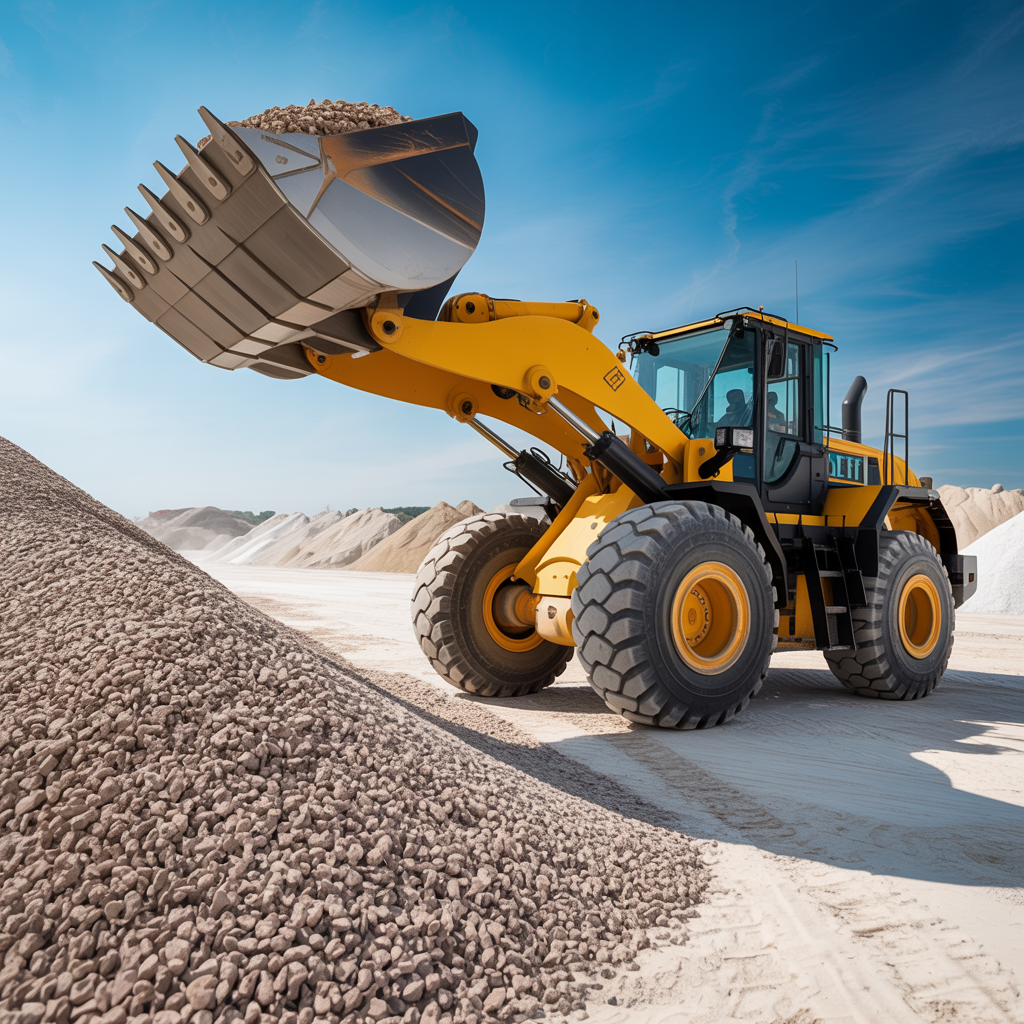
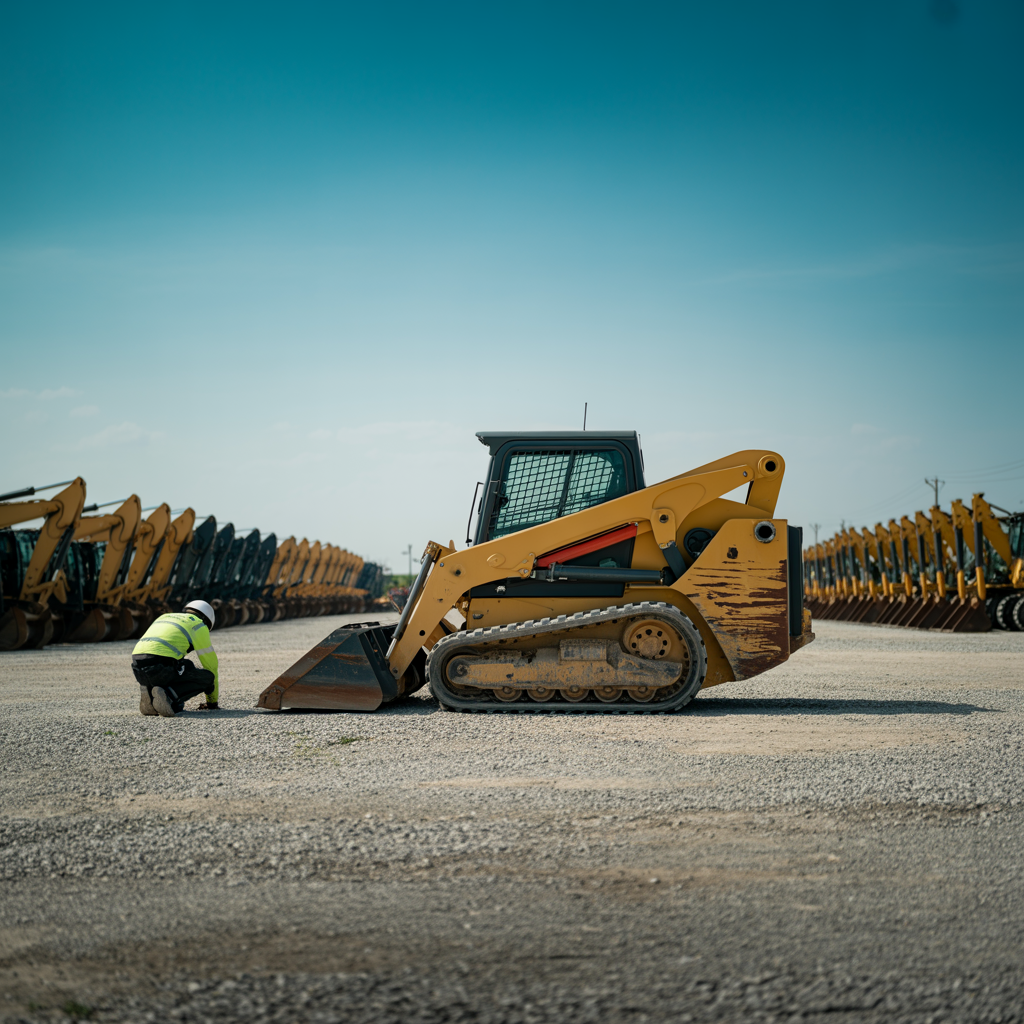
If you're also considering other equipment types for your operation, our guides on buying a used wheel loader and buying a used skid steer cover similar inspection principles for those machine categories.
Negotiating and Closing the Deal
Armed with your inspection findings, you're ready to negotiate. Document every issue you've identified—photos and videos strengthen your position. Get repair estimates for significant problems and use these to justify price reductions.
Before You Buy
Consider these final steps before completing any purchase:
- Verify ownership with title documentation
- Check for liens against the equipment
- Confirm the serial number matches all documentation
- Get a written bill of sale with the seller's information
- Arrange transportation—backhoes typically require lowboy trailers
For buyers in the Southwest, our Tucson contractor's guide offers region-specific insights on the used equipment market.
Find Your Next Backhoe Loader on EquipMarket
A quality used backhoe loader delivers years of productive service across countless applications. By following this inspection guide and understanding fair market values, you'll avoid costly mistakes and find a machine that serves your operation well.
Ready to find your next backhoe? Browse current heavy equipment listings on EquipMarket to see what's available from dealers and private sellers across the country. If you have equipment to move, list your backhoe or other machines for sale and connect with qualified buyers looking for exactly what you're offering.