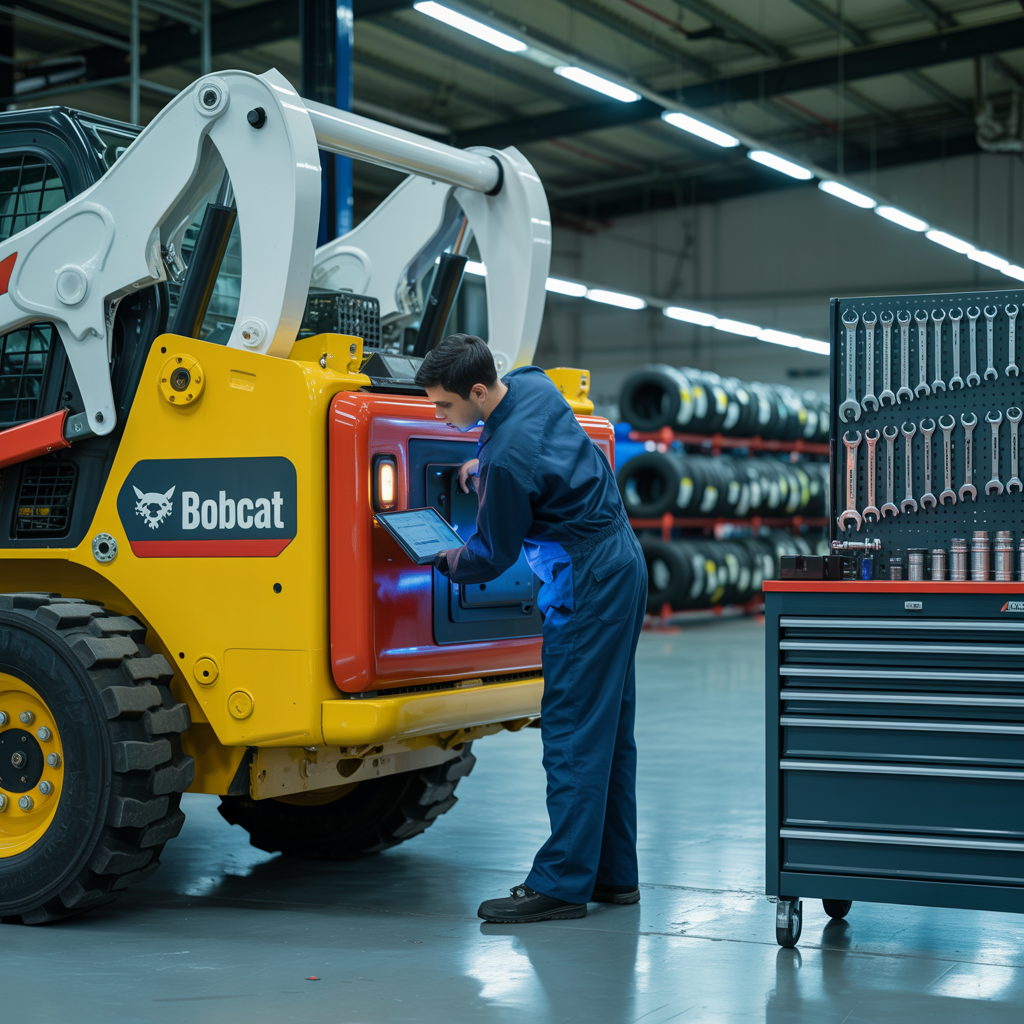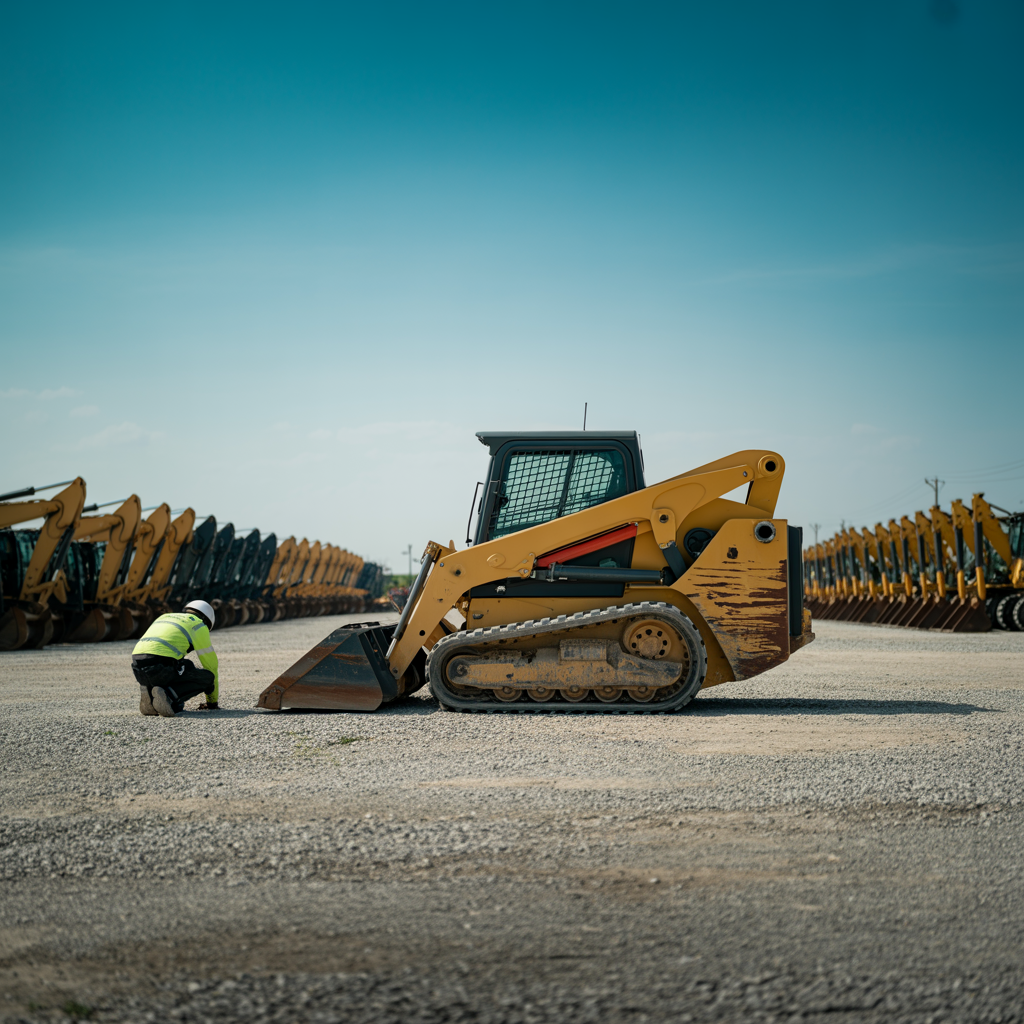
A used skid steer can be one of the smartest equipment investments a contractor makes. These compact, versatile machines handle everything from grading and excavation to material handling and demolition—often at a fraction of what you'd pay for a new unit. But buying used comes with risk. A machine that looks solid on the surface might be hiding expensive problems in the hydraulics, drivetrain, or structural components.
Whether you're a landscaper picking up your first machine or a seasoned contractor adding to your fleet, knowing exactly what to inspect can mean the difference between a smart purchase and a money pit. This guide walks you through the 10 most critical things to check before you buy a used skid steer—so you can negotiate confidently and avoid costly surprises.
1. Engine Condition and Performance
The engine is the heart of any skid steer, and replacing or rebuilding one can easily cost $8,000 to $15,000 or more depending on the brand and model. Start your inspection with a thorough engine assessment.
What to Look For
Cold start behavior: Always try to inspect the machine before it's been warmed up. A cold start reveals issues that disappear once the engine reaches operating temperature. Listen for excessive cranking, rough idle, or unusual knocking sounds. Blue or white smoke on startup can indicate worn piston rings, valve seals, or head gasket problems.
Exhaust smoke: Black smoke typically points to fuel system issues or a clogged air filter—usually fixable. Blue smoke suggests oil burning, which is more serious. White smoke can indicate coolant entering the combustion chamber, often from a blown head gasket.
Oil condition: Pull the dipstick and check the oil. Milky or frothy oil suggests coolant contamination. Metal flakes or a gritty texture indicate internal wear. Dark oil isn't necessarily bad if the machine is due for a change, but ask when it was last serviced.
Coolant system: Check the coolant level and condition. Look for oil contamination in the coolant reservoir, which can indicate head gasket failure. Inspect hoses for cracks, swelling, or soft spots.
2. Hydraulic System Integrity
Skid steers rely heavily on hydraulics for everything from driving to operating attachments. Hydraulic repairs are among the most expensive you'll face, with pump replacements commonly running $2,000 to $5,000 or more.
Key Inspection Points
Fluid condition: Check the hydraulic fluid level and appearance. Clean hydraulic oil should be clear with a slight amber tint. Dark, cloudy, or milky fluid indicates contamination or water intrusion. A burnt smell suggests the system has been overheated.
Leak inspection: Look underneath the machine and around all hydraulic cylinders, hoses, and fittings. Minor seepage at cylinder rod seals is common on older machines, but active dripping or pooling indicates seals that need immediate replacement.
Operational test: Cycle all hydraulic functions multiple times. Raise and lower the loader arms, tilt the bucket, and engage the auxiliary hydraulics. Listen for whining, groaning, or chattering sounds from the pump. Jerky or hesitant movement can indicate air in the system, worn pumps, or failing control valves.
Auxiliary flow: If you plan to run hydraulic attachments like augers, breakers, or brush cutters, test the auxiliary hydraulic circuit under load if possible. Many skid steers offer standard flow (typically 15-25 GPM) and high-flow options (25-40+ GPM). Make sure the machine has the flow capacity your attachments require.
3. Loader Arms and Lift Mechanism
The loader arms take tremendous stress during normal operation. Cracks, bends, or excessive wear in this area can compromise safety and lead to expensive repairs.
Structural Inspection
Visual examination: Look carefully at the loader arms for cracks, especially around weld points and pivot areas. Pay close attention to the areas where the arms connect to the main frame. Even hairline cracks can propagate quickly under load.
Pin and bushing wear: Grab the raised loader arms and try to move them side to side. Excessive play indicates worn pins and bushings. While these are serviceable items, severely worn pivot points can damage the arm structure itself. Check all grease fittings to see if they've been maintained.
Lift capacity: If possible, test the machine with a known weight to verify it can still achieve its rated operating capacity. Worn hydraulic cylinders or pumps may reduce actual lift performance below specifications.
Radial vs. vertical lift: Understand which lift path the machine uses. Radial lift skid steers typically cost less and work well for ground-level tasks like grading and backfilling. Vertical lift models provide better reach and lift height for loading trucks and stacking materials. Make sure the lift style matches your primary applications.
4. Undercarriage and Drive System
The undercarriage and drive system are where skid steers earn their name—and where they often show the most wear. Drive motor and final drive repairs can easily exceed $3,000 to $6,000 per side.
What to Examine
Chain or gear drive: Most skid steers use either chain drive or direct gear drive systems. Chain-driven machines require periodic chain tension adjustment and eventual replacement. Listen for rattling or slapping sounds that indicate loose or worn chains. Gear drive systems are generally more durable but more expensive to repair if they fail.
Drive motors: With the machine running, drive forward and backward, then make sharp turns in both directions. Listen for grinding, clicking, or whining from the drive motors. Hesitation or uneven response between left and right sides suggests drive motor or control valve issues.
Tire or track condition: For wheeled skid steers, inspect tire tread depth and sidewall condition. Skid steer tires wear quickly, especially on abrasive surfaces, and a full set can cost $1,500 to $4,000 depending on size and type. For compact track loaders, check track tension, roller condition, and look for missing or damaged track lugs.
Frame and belly pan: Get underneath the machine and inspect the frame for cracks, bends, or heavy corrosion. Check the belly pan for damage that might indicate the machine has been used in rocky conditions or has bottomed out frequently.
5. Cab Condition and Controls
The operator environment tells you a lot about how a machine has been treated. A well-maintained cab suggests an owner who cared about the equipment.
Interior Assessment
Seat and restraints: Check the seat for excessive wear, tears, or broken adjustment mechanisms. The seat bar or seat belt should function properly—these are critical safety components. A worn-out seat might seem minor, but replacement seats can cost $500 to $1,500.
Control responsiveness: Operate all controls and verify smooth, predictable response. Whether the machine uses hand and foot controls, joysticks, or an advanced hand control system, all inputs should translate to proportional machine movement without dead spots or sudden jerks.
Instrumentation: Verify that all gauges and warning lights function correctly. Start the machine and confirm the hour meter advances. Check that temperature, fuel level, and warning indicators respond appropriately. Non-functional gauges might hide serious problems.
Cab enclosure: If the machine has an enclosed cab, inspect door seals, window condition, and the HVAC system. A leaky cab makes for miserable operation in rain or cold weather. Test the heater and air conditioning if equipped.
6. Attachment Quick-Coupler and Mounting Plate
One of the skid steer's greatest advantages is its ability to run dozens of different attachments. The quick-coupler system needs to be in good working order to take full advantage of this versatility.
Coupler Inspection
Mounting plate condition: Examine the attachment mounting plate for cracks, excessive wear, or damage. The plate takes significant stress, especially when using heavy attachments or working in tough conditions.
Locking mechanism: Test the quick-attach locking system multiple times. The mechanism should engage and disengage smoothly. Worn or damaged locking pins create a serious safety hazard—attachments can come loose during operation.
Hydraulic couplers: Check the auxiliary hydraulic quick-connect fittings for damage, corrosion, or leaks. These fittings see constant connection and disconnection cycles and eventually wear out. Verify that the couplers match the standard your attachments use.
Universal compatibility: Most skid steers use a universal quick-attach system, but some older or proprietary machines may have different mounting configurations. Confirm compatibility with the attachments you plan to use.
7. Service History and Maintenance Records
Documentation doesn't guarantee a good machine, but it provides valuable insight into how the equipment has been maintained throughout its life.
What to Request
Service records: Ask for any available maintenance records, including oil changes, filter replacements, hydraulic services, and major repairs. Regular service intervals suggest conscientious ownership. Gaps in records aren't necessarily deal-breakers, but they warrant more thorough inspection.
Repair history: Major repairs like engine overhauls, hydraulic pump replacements, or drive motor rebuilds should be documented. These repairs aren't necessarily negatives—properly completed major service can extend machine life significantly. But you want to know what's been done and by whom.
Hour meter verification: Unfortunately, hour meter tampering does occur in the used equipment market. Compare the displayed hours against the machine's overall condition, wear patterns, and any available service records. A machine showing 2,000 hours but wearing like it has 5,000 should raise questions.
Before making an offer, it's wise to understand the machine's market value. Use the EquipMarket free valuation tool to get a realistic price range based on year, make, model, and hours.
8. Electrical System and Safety Features
Modern skid steers incorporate sophisticated electrical systems that control everything from engine management to safety interlocks. Electrical gremlins can be frustrating and expensive to diagnose.
Electrical Checks
Battery and charging: Check battery condition and terminals for corrosion. With the engine running, verify the alternator is charging properly. Electrical problems often stem from poor ground connections or corroded wiring—inspect visible wiring harnesses for damage.
Safety interlocks: Test all safety systems. The machine should not start unless the seat bar is down or the operator is properly positioned. Lift arm and auxiliary hydraulic lockouts should function correctly. Never buy a machine with bypassed safety systems.
Lights and accessories: Test all lights, horn, and backup alarm. While not critical to machine function, non-working lights can indicate broader electrical issues and may create compliance problems on certain job sites.
Telematics: Many newer skid steers include telematics systems that track location, hours, and diagnostic codes. If equipped, ask about transferring the telematics subscription and accessing historical data.
9. Overall Machine Hours and Application History
While hours alone don't tell the whole story, understanding how those hours accumulated provides important context for evaluating a used skid steer.
Hours in Context
Typical lifespan: Well-maintained skid steers commonly deliver 5,000 to 10,000 hours of service life, with some machines exceeding these figures significantly. However, a machine with 3,000 hard hours in demolition may be more worn than one with 5,000 hours doing light landscaping work.
Application matters: Ask about the machine's primary applications. Landscaping and snow removal are generally easier on equipment than demolition, land clearing, or heavy excavation work. Machines used primarily with buckets typically see less hydraulic wear than those running high-flow attachments constantly.
Rental history: Former rental machines aren't automatically bad purchases—rental companies often maintain equipment rigorously. However, rental machines may have been operated by inexperienced users and worked harder than owner-operated equipment. Inspect rental units especially carefully.
If you're comparing machines from different manufacturers, our Bobcat vs Kubota skid steer comparison can help you understand the strengths of each brand.
10. Test Operation Under Working Conditions
Nothing replaces actually operating the machine under realistic conditions. A thorough test drive reveals issues that static inspection might miss.
Operational Testing
Full warm-up cycle: Operate the machine long enough for it to reach full operating temperature—typically 15-20 minutes. Some problems only appear when hydraulic fluid and engine oil are fully warmed up.
All functions: Cycle through every machine function multiple times. Drive forward and reverse at various speeds. Make tight turns in both directions. Raise and lower the arms repeatedly. Tilt the bucket through its full range. Engage auxiliary hydraulics if available.
Load testing: If possible, perform actual work with the machine. Pick up a loaded bucket of material and carry it. Load a truck or pile material. Working the machine under load reveals weaknesses that don't show up during no-load operation.
Listen and feel: Pay attention to unusual sounds, vibrations, or behaviors. Does the machine track straight? Do the controls feel responsive and predictable? Does anything seem off compared to other skid steers you've operated?
Negotiating Based on Your Findings
After completing your inspection, you'll likely have a list of items ranging from minor concerns to potential deal-breakers. Use this information strategically in negotiations.
Minor issues: Worn tires, needed filters, or minor hydraulic seepage are normal on used equipment and provide reasonable negotiating points. Get estimates for addressing these items and factor them into your offer.
Major concerns: Significant problems like engine issues, hydraulic pump wear, or structural cracks require professional assessment before purchase. Consider making your offer contingent on a third-party inspection, or walk away if the seller won't address serious concerns.
Market comparison: Research comparable machines currently for sale. Browse skid steer listings on EquipMarket to understand current market pricing for similar year, make, model, and hour combinations.
Beyond the Skid Steer: Building Your Fleet
A skid steer often serves as the backbone of a contractor's equipment lineup, but it rarely works alone. Many operations pair skid steers with other compact equipment for maximum versatility.
If you're also in the market for other equipment, our guides on buying a used Bobcat skid steer and the complete Bobcat equipment lineup provide additional brand-specific insights. For operations needing more lifting capacity, consider exploring wheel loader listings as well.
Ready to Find Your Next Skid Steer?
Armed with this inspection checklist, you're prepared to evaluate used skid steers with confidence. Take your time, be thorough, and don't let pressure from sellers rush you into a decision you'll regret.
When you're ready to start shopping, browse current equipment listings on EquipMarket to find skid steers from dealers and private sellers across the United States. And if you have equipment to move before buying your next machine, list it for sale on EquipMarket to reach serious buyers in the contractor and dealer community.