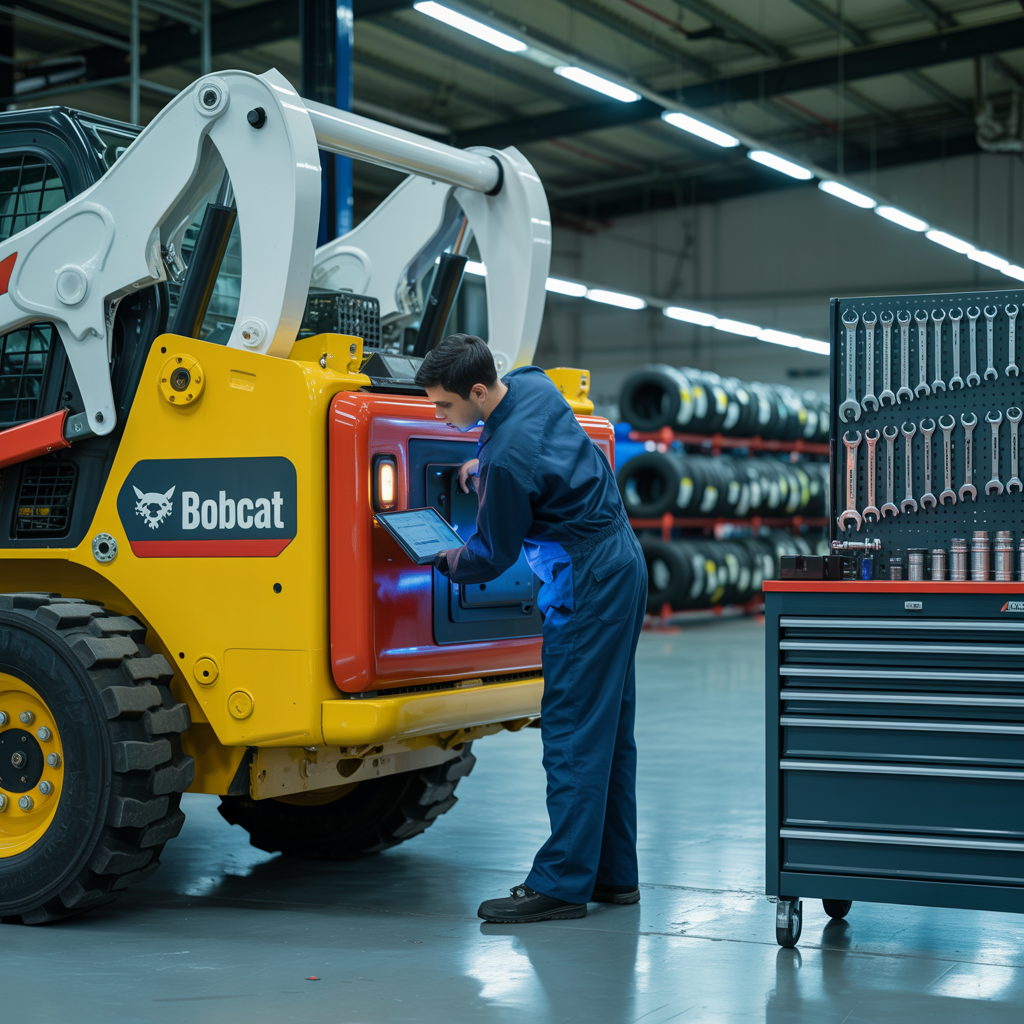
Bobcat skid steers have earned their reputation as workhorses on construction sites, farms, and landscaping operations across the United States. Their compact size, versatility, and extensive attachment compatibility make them one of the most sought-after pieces of equipment on the used market. However, buying a used Bobcat skid steer requires careful due diligence—these machines work hard, and previous abuse or deferred maintenance can lead to expensive repairs down the road.
This comprehensive pre-purchase checklist will walk you through every critical inspection point specific to Bobcat skid steers, helping you separate a solid investment from a money pit. Whether you're a contractor expanding your fleet or a first-time buyer, use this guide to make a confident, informed decision.
Understanding Bobcat Skid Steer Model Generations
Before diving into the physical inspection, it's essential to understand which generation of Bobcat skid steer you're evaluating. Bobcat has produced several distinct model series over the years, and knowing the differences helps you set appropriate expectations for condition and pricing.
M-Series vs. R-Series Models
The M-Series (such as the S650 and S850) represented Bobcat's lineup from roughly 2010 through 2019. These machines introduced significant improvements in operator comfort, visibility, and serviceability. The R-Series, launched around 2019-2020, brought further refinements including improved cab pressurization, enhanced display systems, and more powerful hydraulic options.
When shopping for a used Bobcat, M-Series machines typically offer better value for buyers who prioritize cost savings, while R-Series models command premium prices but include more modern features. For a deeper dive into Bobcat's complete equipment lineup, check out our Bobcat Equipment Models guide.
Decoding the Model Number
Bobcat's model numbering system provides useful information at a glance. The first digit generally indicates the machine's size class, while the remaining digits specify the model within that class. For example, an S570 is a mid-size skid steer, while an S770 is a larger unit with more lifting capacity and horsepower. Understanding this helps you quickly assess whether a machine meets your operational requirements.
Pre-Inspection Documentation Review
Before you even look at the machine, request and review all available documentation. This paperwork tells the story of how the skid steer has been treated throughout its life.
Service Records and Maintenance History
Comprehensive service records are the single best indicator of a well-maintained machine. Look for documentation showing:
- Regular oil and filter changes at manufacturer-recommended intervals (typically every 250-500 hours)
- Hydraulic fluid and filter replacements
- Final drive oil changes
- Any major repairs or component replacements
- Dealer service versus owner-performed maintenance
A machine with spotty or missing service records isn't necessarily a bad buy, but it does increase your risk and should be reflected in the price you're willing to pay.
Hour Meter Verification
The hour meter reading is crucial for assessing a skid steer's remaining useful life. Most Bobcat skid steers can deliver 5,000 to 10,000 hours of service when properly maintained, though this varies significantly based on application severity. Verify the hour meter reading against service records—inconsistencies may indicate tampering or a replaced meter.
Ask about the machine's primary use. A skid steer with 3,000 hours from light landscaping work will typically be in better condition than one with the same hours from demolition or heavy material handling.
Title and Ownership Documentation
Confirm clear title and verify the seller's right to sell the equipment. Check for any liens or encumbrances, particularly if purchasing from a private party. Request the original purchase documentation if available, as this establishes the machine's age and original configuration.
Engine Inspection Checklist
The engine is the heart of any skid steer, and Bobcat machines typically use Kubota or Bobcat-branded diesel engines depending on the model and year. A thorough engine inspection can reveal both current problems and signs of future trouble.
Cold Start Test
Always request to see the machine started cold—this is when engine problems are most apparent. Arrive early or ask the seller not to warm up the machine before your visit. During a cold start, watch for:
- Excessive cranking time (should start within a few seconds in moderate weather)
- Blue or white smoke indicating oil burning or coolant leaks
- Black smoke suggesting fuel system issues
- Unusual knocking or rattling sounds
- Rough idle that doesn't smooth out after warming
Fluid Analysis
If possible, request recent oil analysis reports. Many commercial operations perform regular fluid analysis, which can reveal internal wear patterns before they become visible problems. If no analysis is available, pull the dipstick and examine the oil for metal particles, milky appearance (coolant contamination), or excessive darkness.
Cooling System Inspection
Skid steers work in dusty, debris-filled environments that quickly clog radiators and coolers. Inspect the radiator and oil cooler for bent fins, debris accumulation, and signs of leakage. Check coolant condition and level. Look for any evidence of overheating, including discolored paint near the engine compartment or warped plastic components.
Air Filtration System
Examine the air filter housing for proper sealing. A poorly maintained air filtration system allows dirt ingestion, which dramatically accelerates engine wear. Check for dust trails around filter housing seals and inspect the air filter element condition.
Hydraulic System Evaluation
The hydraulic system powers virtually every function on a skid steer, from the loader arms to the drive system. Problems here can be extremely expensive to repair.
Hydraulic Fluid Condition
Check the hydraulic fluid level and condition. Healthy hydraulic oil should be clear with a slight amber color. Dark, murky, or foamy fluid indicates contamination or aeration problems. A burnt smell suggests overheating damage. If the fluid looks questionable, factor in the cost of a complete system flush and refill.
Cylinder and Hose Inspection
Visually inspect all hydraulic cylinders for:
- Leaking seals (look for oil weeping around rod seals)
- Scored or pitted cylinder rods
- Dents or damage to cylinder bodies
- Bent or misaligned rods
Examine all hydraulic hoses for cracking, abrasion, bulging, or leakage at fittings. Hose replacement is relatively affordable, but damaged hoses indicate overall system neglect.
Operational Testing
Operate all hydraulic functions through their full range of motion. The loader arms should raise, lower, and curl smoothly without jerking or hesitation. Listen for pump whine or cavitation sounds. Check the auxiliary hydraulic circuits if equipped—these power attachments and are essential for versatility.
Pay attention to cycle times. Sluggish operation may indicate pump wear, internal valve leakage, or low system pressure. Compare performance to manufacturer specifications if available.
Drive System and Undercarriage
The drive system on a skid steer takes tremendous abuse. Unlike tracked equipment, wheeled skid steers rely on tire condition and final drive health for mobility and productivity.
Tire Condition Assessment
Tires are a significant expense on skid steers, with a full set of quality tires commonly costing several thousand dollars. Evaluate:
- Remaining tread depth (measure in multiple locations)
- Sidewall damage, cuts, or chunking
- Uneven wear patterns suggesting alignment or operational issues
- Tire age (rubber degrades over time regardless of tread condition)
- Foam-filled versus pneumatic (foam-filled tires eliminate flats but are expensive to replace)
Final Drive Inspection
The final drives (also called wheel motors or gearboxes) are critical and expensive components. Check the final drive oil level and condition through the inspection plugs. Look for leaks around seals. Listen for grinding or whining during operation, which indicates internal gear or bearing wear.
Drive Performance Testing
Test the drive system thoroughly:
- Drive forward and reverse at various speeds
- Perform turning maneuvers in both directions
- Check for pulling to one side (indicates uneven drive performance)
- Test on an incline if possible to assess power under load
- Listen for unusual noises from the chain case or drive motors
Structural and Frame Inspection
Skid steers endure significant structural stress during normal operation. Carefully inspect the frame and structural components for damage that could indicate abuse or compromise safety.
Frame and Weld Inspection
Examine the main frame for cracks, particularly around high-stress areas like the loader arm pivots, engine mounts, and lift cylinder attachment points. Look for evidence of weld repairs, which may indicate previous damage. Check the ROPS (Roll-Over Protective Structure) for any damage, modifications, or repairs—this is a critical safety component that should never be compromised.
Loader Arm Condition
Inspect the loader arms for:
- Cracks at pivot points and weld joints
- Bent or twisted arms (sight down the length)
- Excessive play in pivot pins and bushings
- Wear at the quick-attach mounting points
Worn pivot pins and bushings cause sloppy operation and accelerate wear on other components. Budget for rebuild costs if you notice significant play.
Quick-Attach System
The quick-attach (also called quick-coupler) is essential for attachment versatility. Verify it operates smoothly and locks securely. Check for wear on the mounting hooks and latching mechanism. Ensure compatibility with your existing attachments or industry-standard attachment mounting.
Electrical System and Controls
Modern Bobcat skid steers rely heavily on electrical systems for engine management, displays, and operator controls. Electrical problems can be frustrating and expensive to diagnose.
Starting and Charging System
Beyond the cold start test, verify that the battery holds charge and the alternator maintains proper voltage. Check battery terminals for corrosion and cable condition. Inspect the starter for signs of heat damage or excessive wear.
Instrument Panel and Displays
Verify all gauges and warning lights function correctly. On newer models with digital displays, cycle through all screens and check for error codes. Many Bobcat machines store fault codes that can reveal historical problems even if no current issues exist.
Lighting and Safety Systems
Test all lights including headlights, work lights, and warning flashers. Verify the backup alarm functions. Check that all safety interlocks operate correctly—the machine should not start or operate unless the operator is properly seated with the lap bar lowered.
Cab and Operator Station
The condition of the cab reflects overall machine care and affects operator comfort and productivity.
Seat and Controls
Inspect the operator seat for wear, tears, and proper suspension function. Test all control levers and pedals for smooth operation. Check for excessive play in joysticks, which indicates worn linkages or valve components. Verify the lap bar and seat belt function correctly.
Climate Control
If equipped with an enclosed cab, test the heating and air conditioning systems. HVAC repairs on skid steers can be expensive due to component accessibility. Check cab seals and door latches for proper operation.
Visibility
Inspect all windows and mirrors for cracks or excessive scratching. Check windshield wiper operation if equipped. Verify that the rear-view camera functions on models so equipped.
Determining Fair Market Value
After completing your inspection, you need to determine whether the asking price represents fair value. Used Bobcat skid steer prices vary significantly based on model, age, hours, condition, and regional market factors.
Generally, expect to pay more for:
- Lower hour machines with documented maintenance
- Enclosed cab models with climate control
- High-flow hydraulic configurations
- Recent model years with current emissions compliance
- Machines with included attachments
Use EquipMarket's free heavy equipment valuation tool to get a realistic market value estimate based on current comparable sales. This helps ensure you're negotiating from an informed position.
If you're comparing Bobcat to other brands, our Bobcat vs. Kubota Skid Steer comparison provides useful context on how these popular brands stack up.
Red Flags That Should Stop the Deal
Some issues are serious enough that you should walk away or demand significant price reductions:
- Frame cracks or ROPS damage: Safety-critical and expensive to repair properly
- Evidence of fire damage: Can cause hidden electrical and hydraulic problems
- Major hydraulic pump or motor failure: Repairs commonly run into thousands of dollars
- Severe engine problems: Knocking, excessive blow-by, or coolant contamination
- Title issues or liens: Legal complications that could cost you the machine
- Tampered hour meter: Indicates dishonest seller and unknown true condition
- Flood damage: Causes long-term electrical and corrosion problems
Negotiating and Closing the Deal
Armed with your inspection findings, you're ready to negotiate. Document any issues you discovered and research repair costs. Present your findings professionally—most sellers will negotiate on price when presented with legitimate concerns backed by evidence.
Consider requesting a short warranty period or return option, particularly when buying from dealers. Get all agreements in writing, including any representations about condition or included items.
Find Your Next Bobcat Skid Steer on EquipMarket
Ready to put this checklist to use? Browse our current inventory of skid steer listings to find quality used Bobcat machines from verified sellers across the United States. Whether you're looking for a compact S70 or a large-frame S850, EquipMarket connects contractors and dealers with the equipment they need.
If you have a Bobcat skid steer to sell, list your equipment on EquipMarket to reach serious buyers actively searching for quality used machines. Our platform makes it easy to showcase your equipment and connect with qualified purchasers. For all available equipment, browse our complete listings today.